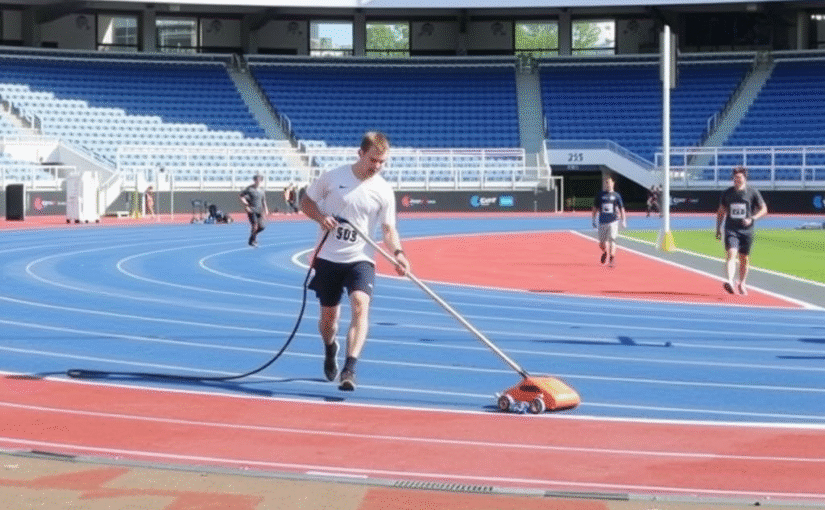
Maintaining the integrity and performance of an athletic track is essential for optimal training and competition. Running tracks are exposed to the elements and heavy foot traffic, making regular cleaning and maintenance critical for longevity and safety. This guide explores the best practices and techniques for running track cleaning, including the use of professional athletic track cleaners and basic maintenance strategies.
Maintaining a pristine running track is essential for safety and performance. Effective running track cleaning removes debris and promotes longevity. For expert services and tips, visit https://www.artificialgrassmaintenance.co.uk. Regular maintenance prevents wear, ensuring athletes enjoy optimal conditions for training and competition. Keep your track in top shape!
Understanding the Importance of Athletic Track Cleaning
Regular cleaning is crucial for the overall health of any athletic track. Debris such as leaves, dirt, and litter can accumulate on the track surface, which not only affects its aesthetic appeal but can also hinder performance. A clean track helps reduce the risks of slips and falls, ensuring athletes can perform to the best of their abilities. Moreover, neglecting track maintenance can lead to long-term damage, requiring more extensive and costly repairs down the line.
Types of Track Surfaces
Before diving into cleaning techniques, it’s essential to understand the types of surfaces that tracks can have. Common materials include:
-
Synthetic Tracks: These tracks are made from materials like polyurethane or acrylic. They require specialised cleaning techniques to avoid damaging the surface.
-
Cinder and Dirt Tracks: Traditional tracks made from cinder or dirt can be more susceptible to erosion and require different maintenance strategies compared to synthetic surfaces.
Synthetic Tracks: These tracks are made from materials like polyurethane or acrylic. They require specialised cleaning techniques to avoid damaging the surface.
Cinder and Dirt Tracks: Traditional tracks made from cinder or dirt can be more susceptible to erosion and require different maintenance strategies compared to synthetic surfaces.
Each type of surface may require a different approach to cleaning and maintenance, making it vital to tailor your practices accordingly.
Techniques for Effective Running Track Cleaning
Routine Cleaning
Routine cleaning is the first step in effective track maintenance. It involves regular inspections and the removal of debris using handheld tools. Brooms, leaf blowers, and vacuum cleaners specifically designed for athletic tracks are excellent resources for routine cleaning. Here are some steps to follow:
Debris Removal: Start by removing any visible debris such as leaves, twigs, or litter. Use a broom or leaf blower to clear the surface effectively.
Stain Removal: Use an appropriate cleaner to remove stains caused by spills, rubber markings, or other substances. Be sure to select eco-friendly products to protect the environment and the track surface.
Washing: Depending on the surface material, gently wash the track using a pressure washer with moderate pressure. For synthetic surfaces, ensure that the pressure isn’t too high, as this can damage the material.
Deep Cleaning Techniques
While routine cleaning is vital, a deep cleaning process should be scheduled at regular intervals—typically once or twice a season. Deep cleaning removes built-up grime and can significantly improve the track’s lifespan.
Professional Athletic Track Cleaners: Consider hiring professional services that specialise in athletic track cleaning. They use specialised equipment and techniques that can restore your track effectively.
Chemical Cleaners: When deep cleaning, opt for recommended athletic track cleaners that are designed to eliminate tough stains and grime. Always follow the manufacturer’s instructions for use, ensuring the safety of the surface and the environment.
Mechanical Scrubbing: For heavily-soiled areas, mechanical scrubbers may be used to apply pressure and our cleaner evenly. This technique is often more efficient than manual scrubbing.
Best Practices for Athletic Track Maintenance
Inspections and Repairs
Regular inspections are a crucial part of athletic track maintenance. Check for signs of wear and tear, including cracks, tears, or uneven surfaces. Early detection of minor issues can prevent them from escalating into more significant problems that necessitate running track repair.
Crack Sealing: For synthetic surfaces, seal any cracks or gaps as soon as they appear. Use specially formulated sealants that match the track surface to prevent further damage.
Surface Repair: In cases of significant damage, more extensive repair methods may be necessary. This could involve resurfacing or patching the track. Engage a professional experienced in running track repair for these efforts.
Seasonal Maintenance
Consider the changing seasons in your maintenance schedule. In autumn, for instance, increased leaf coverage may require more frequent cleaning. Winters may demand snow and ice management strategies, while spring cleaning could focus on debris removal after winter weather. Adapt your cleaning and maintenance routine to changing conditions to ensure your running track remains in top shape all year round.
FAQ: Running Track Cleaning
What is running track cleaning?
Running track cleaning refers to the process of maintaining and restoring the condition of synthetic or natural surfaces used for athletic tracks. This involves removing debris, dirt, algae, and other contaminants that may accumulate over time, ensuring a safe and optimal environment for runners.
Why is it important to clean a running track regularly?
Regular cleaning of a running track is essential to maintain safety and performance. Dirt and debris can create slippery or uneven surfaces, increasing the risk of injuries. Additionally, regular maintenance prolongs the lifespan of the track surface by preventing damage from contaminants such as mold or chemicals.
How often should a running track be cleaned?
The frequency of cleaning depends on various factors including location, weather conditions, usage intensity, and surrounding environment. Generally, it is recommended to clean running tracks at least once a month during peak usage times and after significant weather events (e.g., heavy rain).
What are common methods used for cleaning running tracks?
Common methods for cleaning include:
- Pressure washing: Effectively removes stubborn dirt and grime.
- Brooming: Regular sweeping helps clear loose debris.
- Chemical treatments: Specialised cleaners may be used to eliminate algae or stains.
- Manual scrubbing: For detailed maintenance in high-impact areas.
Can I clean my own running track or should I hire professionals?
While minor upkeep can often be done by facility staff using basic tools like brooms or hoses, complex tasks such as deep-cleaning with pressure washers or applying chemical treatments are best left to professionals who have experience with synthetic materials. Hiring experts ensures proper technique without risking damage.
Are there specific products recommended for running track cleaning?
Yes! It’s advisable to use pH-neutral cleaners specifically designed for synthetic surfaces. Always check with manufacturers’ guidelines before applying any substance on your surface since certain chemicals may degrade materials over time.
What should I avoid when cleaning a running track?
When performing maintenance on your tracks:
- Avoid harsh chemicals that can damage the surface material.
- Do not use metal scrapers as they can scratch or remove part of the surface layer.
- Take care not to use abrasive tools that could wear down your traction surface prematurely.
How long does it take to properly clean a running track?
The duration required can vary based on size and method employed; however, most routine cleanings take anywhere from 1–3 hours if performed properly. More intensive services like deep-cleaning may require additional time depending upon conditions present prior to service.
By addressing these questions regarding running track cleaning, you ensure that athletes are always able compete safely in optimal environments while protecting valuable investment in infrastructure!
Conclusion
Athletic track cleaning and maintenance are essential for ensuring athletes have a safe and effective training surface. By adhering to the techniques and best practices outlined above, track managers can extend the lifespan of their facilities while optimising performance. Whether you’re using professional athletic track cleaners or sticking to a DIY routine, a clean track is key to athletic success.