Blog

The Essential Maintenance Checklist for Artificial Grass: From Installation to Longevity

Artificial grass has transformed the way we think about outdoor spaces, offering year-round greenery with minimal fuss. For property owners, facility managers, and sports organisations alike, the right maintenance routine is what preserves the look, feel, and performance of artificial turf over time. This guide, written from the perspective of an industry expert, covers practical steps, best practices, and practical tips to maximise the longevity of your artificial grass installations.

Whether you’re seeking guidance on artificial grass maintenance uk standards, looking for an artificial grass maintenance near me service, or planning a comprehensive artificial pitch maintenance plan, the following checklist will help you establish a robust regime that keeps surfaces safe, aesthetically pleasing, and durable.

What to include in an artificial grass maintenance programmeA well-structured maintenance programme combines regular routine tasks with periodic deeper cleans and annual reviews. The aim is to prevent issues before they arise, maintain drainage efficiency, and preserve the fibre and infill balance that define the feel and bounce of the surface. A good programme should be tailored to usage patterns, climate, and the specific product installed, whether it’s residential turf, a commercial landscape solution, or an artificial pitch.

Initial installation considerationsAfter installation, the first months are most critical for establishing a stable base and correct infill levels. Verify that the drainage system remains unblocked, the yarn lies flat, and infill distribution is uniform. Record baseline measurements for height, pile direction, and fibre look so future inspections can quickly determine deviations. A professional artificial grass maintenance package often includes a post-installation inspection to confirm that the installation standards have been met and to identify any adjustments needed.

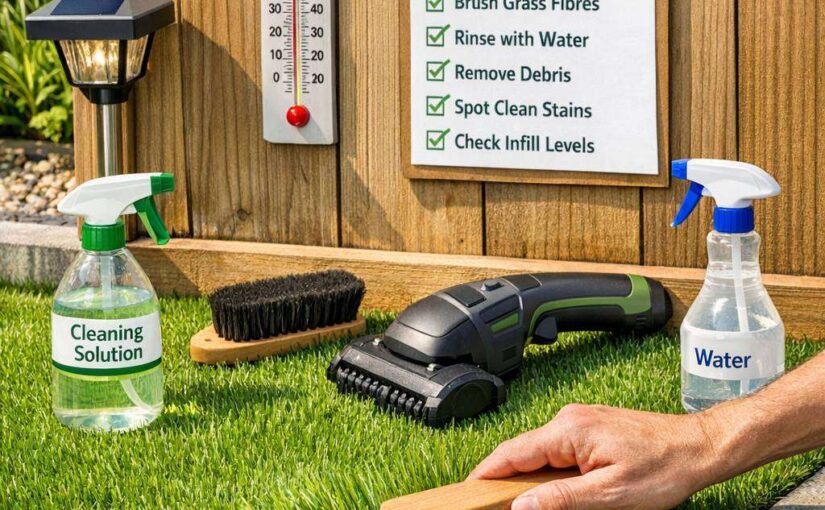
Daily and weekly care routinesFor busy sites, simple daily or weekly routines help keep surfaces pristine and safe. Many maintenance artificial grass regimes include light brushing to lift flattened fibres and restore fibre alignment, along with debris removal. If the surface supports heavy use or has pets, more frequent debris clearance and odour control measures may be appropriate. Routine checks should include a quick visual inspection for wear, balding patches, or any signs of drainage issues after rainfall.

Cleaning and hygiene considerationsResidential and commercial environments benefit from regular cleaning to remove surface debris, dust, pollen, and spill-related residues. For households, a routine of rinsing with water is often sufficient, while sports or public use areas may require more thorough cleaning protocols. It’s important to avoid harsh chemicals that could degrade the backing or infill. When odours are present or contamination is heavy, a mild, turf-safe cleaner followed by thorough rinsing is advisable. In some cases, a targeted cleaning approach, described in an artificial grass care and maintenance plan, may be needed to address specific contaminants.

Infill management and groomingInfill levels influence cushioning, stability, and drainage. Regular grooming with a stiff-bristle broom or specialised brush helps maintain even infill distribution and keeps fibres upright. Periodic checks should confirm that infill depth matches the manufacturer’s recommendations, typically measured in millimetres relative to the backing. If infill has migrated to edges or seams, redistribute it with a controlled rake or shovel and re-brush the surface. Proper infill maintenance is a key element of long-term surface performance and is often included in an artificial grass maintenance package.

Weed and pest controlWeed growth can occur around the edges or through gaps in joints. A combination of physical removal, edge trimming, and spot treatments with turf-safe products is usually sufficient. For pet owners, ensure that odours are controlled and that flea or parasite concerns are addressed through approved maintenance methods. Regular perimeter checks will help catch early weed encroachment before it impacts aesthetics or drainage.

Drainage and surface testingEfficient drainage is a cornerstone of artificial grass longevity. After heavy rain, observe whether water drains quickly or pools on the surface. If drainage is sluggish, investigate potential blockages in the sub-base, drainage channels, or the perforated backing. Periodic tests, such as a simple water run-off check, can be integrated into an artificial grass maintenance schedule to identify emerging problems. Professionals can perform more detailed assessments as part of an artificial grass maintenance near me service.

Edge and seam inspectionOver time, edging and seams may loosen due to ground movement, temperature changes, or heavy use. Inspect seams for lifting fibres or gaps and monitor the edge joints where the turf meets hardscape or borders. Prompt reseaming and re-securement often prevent further damage and extend the life of the installation. An effective maintenance programme will include routine seam assessments within the artificial grass maintenance package.

Seasonal care and climate considerationsSeasonal changes influence turf performance. In colder climates, check for frost-related rigidity and ensure that de-icing agents used outside the initial guidelines do not damage the fibres. In hot climates, monitor for rapid drying and flattening during peak sun hours, adjusting grooming frequency accordingly. A robust maintenance plan recognises these patterns and adjusts routines to maintain performance throughout the year.

Documentation, reporting, and professional supportMaintain records of all maintenance activities, including brushing schedules, cleaning products used, infill levels, and any repairs. This documentation supports warranties and provides a clear history for future inspections. For organisations seeking assurance or ongoing assurance, engaging a credible artificial grass maintenance provider offers consistent expertise, recommended product lines, and accountability. A full artificial grass maintenance package typically includes routine inspections, recommended maintenance actions, and annual reviews to refresh the surface integrity.

Choosing the right level of serviceMaintenance needs vary by use case. A home garden may require minimal intervention, while a school or sports facility may demand a proactive artificial pitch maintenance schedule with frequent grooming, cleaning, and drainage checks. When evaluating options, consider the scope of work, response times, and the qualifications of technicians. If you are exploring artificial grass maintenance uk standards or trying to locate artificial grass maintenance near me, opt for providers with demonstrable experience across product types, backing coatings, and installation methods.

In sum, a disciplined approach to maintenance artificial grass, anchored in a well-structured artificial grass maintenance programme, is essential for sustained aesthetics, safety, and performance. By combining routine grooming, targeted cleaning, infill management, drainage vigilance, and professional assessments, you can secure long-term value from your artificial turf investment and keep surfaces looking and performing at their best.

Maintain artificial grass properly to extend its lifespan and preserve a lush appearance. Regular brushing, debris removal, and occasional cleaning prevent fungal growth and yarn matting. Use a gentle power wash when needed, and reseed or patch worn areas promptly. For expert guidance and maintenance tips, visit https://www.artificialgrassmaintenance.co.uk; your lawn will thank you.

The Ultimate Maintenance Artificial Grass Checklist for Busy Homeowners

Artificial grass has come a long way from its early, low-patina look. For busy homeowners, a well-maintained artificial lawn is a labour-efficient, evergreen feature that stays tidy with minimal effort. This guide provides an expert, educational overview of practical maintenance steps, tailored to those who want reliable results without a time sink. Whether you’re overseeing a small domestic patch or a larger artificial pitch, the following checklist covers routine care, seasonal tasks, and common issues that affect longevity and appearance. By following these best practices for maintaining artificial grass, you can keep your outdoor space looking pristine all year round.

Everyday upkeep and quick wins

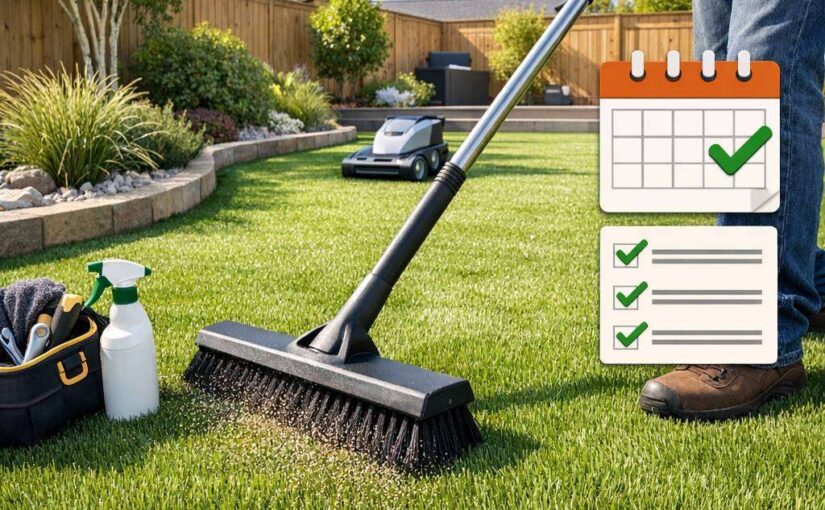
Regular brushing is fundamental to artificial grass care and maintenance. Brushing helps to lift flattened fibres, restore pile height, and keep the surface looking natural. Use a stiff broom or a powered brush and brush counter‑direction to the pile to maintain evenness. For high-traffic areas, a more frequent cadence may be necessary, but in most residential settings, a weekly pass during the growing season plus a monthly check is sufficient.

Keep debris to a minimum. After wind or storms, remove fallen leaves, twigs, and litter with a leaf blower or a light rake. This reduces the likelihood of thatch compression and helps with drainage. For pet owners, promptly remove solid waste and rinse areas with water; if odours persist, a mild solution of water and a gentle soap can be used followed by a thorough rinse.

Smart landscaping considerations also aid maintenance of artificial grass. Trim overhanging branches to reduce pollen, seeds, and organic deposition. Apply a simple weed barrier around the perimeter where soil edges meet the turf to maintain a clean boundary and prevent weed encroachment.

Cleaning for a pristine appearance

Periodically deep cleaning keeps artificial grass looking fresh. For routine cleaning, hose down the surface to remove dust and pollen, and use a mild detergent when necessary. Avoid harsh chemicals or high‑concentration cleaners that could degrade the backing or fibres over time. After washing, rinse well to remove any soap residues, which can attract more dirt if left on the surface.

In the UK context, winter months can bring damp conditions, so ensure proper drainage and avoid soaking the turf in standing water. If drainage is compromised, consult a professional who can assess the underlying substrate and adjust the grade or install appropriate drainage solutions.

If you notice persistent odours from pets or outdoor spaces, a diluted vinegar solution can help neutralise smells without harming the fibres. Rinse thoroughly after treatment and allow the surface to dry before use.

Seasonal maintenance and inspections

Spring and autumn create ideal windows for a more thorough inspection of your artificial grass. Check for seam integrity and edge rolls, especially along borders and near fixed installations such as fencing or play equipment. Look for exposed seams, dirt accumulation, or areas where the pile has become uneven. Address minor repairs early to prevent more extensive work later.

During autumn, leaves accumulate quickly. Establish a routine of raking leaves off the turf and using a stiff brush to keep pile upright. This helps with maintaining artificial grass density and reduces the risk of mould or mildew on damp days.

Winter requires attention to drainage and frozen conditions. Do not expose the turf to sharp tools or solvents. If ice forms, avoid chiselling or aggressive scraping, which can damage the fibres or backing. Instead, take a cautious approach with a plastic scraper and allow natural thawing whenever possible.

Maintaining infrastructure around the turf

Perimeter edges and the underlying sub-base are as vital as the surface itself for the longevity of your artificial grass. Ensure that the sub-base remains stable and free from settlement. If you notice edge curling or soft spots, contact a professional to re‑level or re‑stabilise the base.

Weed control around the borders is essential to prevent roots from infiltrating the turf edge. Use a non‑glyphosate weed killer if you prefer to avoid chemical exposure, or physically remove invasive growth where feasible. A well‑installed perimeter barrier reduces weed ingress and helps maintain a neat appearance.

Maintenance artificial grass makes outdoor spaces pristine with minimal effort. For routines, regular brushing, rinsing, and debris removal keep fibers upright and colors vibrant. Learn practical tips and product options at the following resource: https://www.lasvegasartificiallawns.com/products/synthetic-grass-cleaning/ then apply proven strategies to extend longevity.

Equipment and resources for artificial grass maintenance UK households rely on

Stock a simple toolkit for maintenance of artificial grass: a stiff broom or brush, a leaf blower, a gentle detergent, a bucket for solutions, and a hose with a spray nozzle. For larger or more complex installations, such as artificial pitch maintenance, you may complement routine tasks with a dedicated grooming machine designed for synthetic turf.

When selecting cleaning products in the UK market, prioritise products labelled suitable for artificial grass and backing materials. Avoid high‑alkaline or solvent‑based cleaners that can degrade fibres or backing over time. Always test any solution on an inconspicuous area before broad application.

How to plate new features or extensions without disruption

If you add new features—such as a sunken play area, planters, or a shaded walkway—plan their impact on maintenance. Ensure that installations do not obstruct drainage paths or create excessive debris traps. For larger installations or artificial pitch maintenance, consider a professional survey to confirm that the sub-base and drainage are appropriate for the updated configuration.

Maintaining a flawless lawn year-round relies on proper maintenance artificial grass techniques. Regular brushing keeps fibers standing upright, while periodic cleaning removes debris and allergens, preserving appearance and safety. Use mild soap and water for spills, avoid harsh chemicals, and rinse thoroughly after washing to prevent residue. For advanced guidance, consult reputable sources and implement a routine that suits your climate. For more resources, visit https://goatturf.com/ in the second half of your planning.

Maintaining an impeccable outdoor space is easy with proper maintenance artificial grass. Regular brushing, removing debris, and seasonal cleaning keep fibers upright and looking fresh. For detailed guidance and professional support, explore trusted resources. In the second half, find practical tips and services here: https://www.artificialgrassmaintenance.co.uk

Addresses common issues with strategic remedies

  • Flattened pile and matting: Brush against the grain of the pile to restore height, and consider infrequent, light vacuuming if you have access to suitable equipment.
  • Poor drainage: Inspect the drainage layer and surface grade. Adjust slopes if necessary and clear any blocked outlets.
  • Edge lifting: Re-securse the edging with appropriate adhesive or fixings. If the problem persists, consult a professional for seam repair.
  • Persistent odours: Clean with mild detergents, rinse thoroughly, and consider pet deodorisers designed for synthetic turf.

Maintenance of artificial grass: a practical mindset

The key to maintenance artificial grass is consistency and understanding your space. Busy homeowners benefit from scheduling short, focused sessions rather than long, infrequent cleans. The goal is to preserve appearance, ensure safe usage, and extend the lifespan of the installation. By integrating these practices into your routine, you’ll maintain artificial grass effectively without sacrificing precious free time.

If you’re navigating the specifics of artificial grass maintenance UK guidelines, seek local expertise when needed. A qualified professional can provide tailored advice for your soil type, climate, and installation method, and help you plan a long‑term maintenance schedule that aligns with your lifestyle. Whether you’re maintaining a domestic lawn, an artificial pitch, or a mixed‑use space, the fundamental principles remain the same: cleanliness, proper brushing, and proactive inspections to safeguard the investment.

How to Maintain an Athletic Track: Essential Cleaning Techniques for Peak Performance

Athletic track cleaning is essential for performance and safety, ensuring grip, drainage, and longevity of the surface. Regular maintenance prevents wear and costly repairs. For expert guidance and solutions, consult trusted specialists who understand track chemistry, filtration, and debris removal. https://www.artificialgrassmaintenance.co.uk

Maintaining an athletic track is a meticulous but rewarding task that yields tangible benefits in performance, safety, and durability. As an expert in track management, I’ve seen facilities flourish when cleaning routines are systematic, regular, and tailored to the type of surface. This guide provides practical, field-tested techniques for keeping your running track in top condition, from daily maintenance to seasonal refreshes.

A well-kept track not only looks professional but also supports athletes in achieving their best times. The right cleaning methods reduce wear, prevent the accumulation of debris that can cause slip hazards, and preserve the integrity of the surface’s grip characteristics. Implementing a structured cleaning programme also helps with compliance, ensuring that facilities meet safety standards and continue to attract events and users. Below, you’ll find actionable steps that facility managers, grounds teams, and athletic track cleaners can integrate into regular operations.

Daily and Routine Cleaning

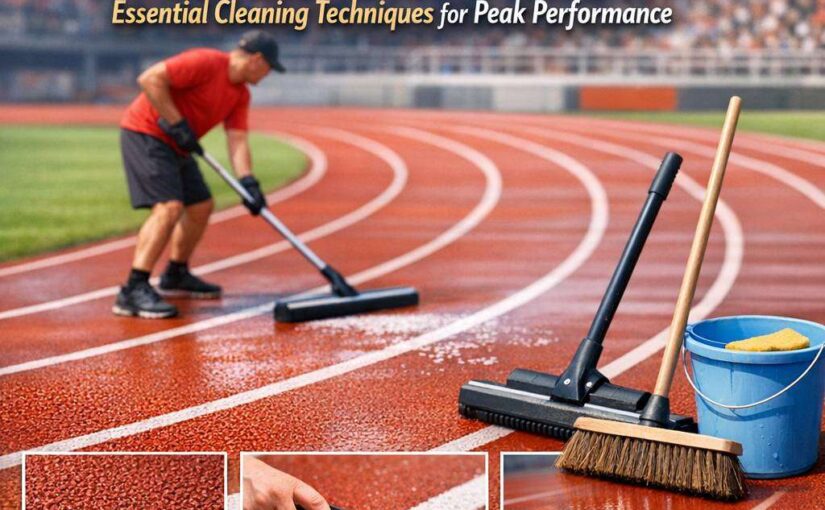
  • Inspect at the end of each day for litter, leaves, and foreign objects. Remove debris promptly to prevent indents and uneven wear.
  • Softly sweep the surface with a fibre sweep or low-pressure brush to collect fine dust and grit. Avoid aggressive bristle types that can abrade the surface.
  • Empty and inspect sand or resin fill areas if your track uses a modular surface; ensure topdress levels are uniform.
  • Address spillages quickly, using a mild detergent solution and a mop, then rinse with clean water to prevent staining and residue.
  • Check the surrounding drainage grates and peripheral areas for blockages. Debris here can lead to water pooling and accelerated wear.

Athletic track cleaning is essential for optimal performance and safety in every facility. Regular maintenance reduces dust, debris, and grip inconsistencies that can hinder sprint times and field events. Implement a scheduled plan, including surface brushing, water drainage checks, and periodic deep cleans to extend track life. For enthusiasts seeking insights beyond routine care, consider resources that explore specialized cleaning methods and their effectiveness. https://forum.trains.com/t/do-the-track-cleaning-cars-really-work/214344

Periodic Cleaning and Deep Cleaning

  • Schedule a deeper clean quarterly or after heavy-use periods, such as competitive seasons. Use appropriate cleaners recommended by the surface manufacturer and your athletic track cleaner supplier.
  • Use a gentle power wash or high-volume spray at low pressure to remove embedded dust and organic matter. Ensure you follow the manufacturer’s guidelines to avoid saturating or loosening surface aggregates.
  • If your track has markings, clean them with a non-abrasive, colour-safe cleaner to maintain legibility without damaging the linework.
  • Inspect curb edges and transitions between the track and other surfaces. Clean joint lines to prevent seedling growth or weed intrusion that can disrupt water drainage.

Athletic track cleaning is essential to maintain safety, performance, and longevity of running surfaces. Regular inspections, debris removal, and specialized cleaning solutions help prevent wear and reduce slip hazards. For reliable results, contact professionals who understand track materials and environmental considerations. https://www.streetsmart.co.uk/athletics-track-cleaning/ Their expertise covers pollen, mold, and rubber crumb buildup, ensuring consistent traction and optimal weather resistance. Prioritize proactive maintenance to protect investments and support athletes’ peak training.

Surface-Specific Cleaning Techniques

  • For acrylic or synthetic tracks, use a promoter-safe cleaner to maintain elasticity and grip. Some products enhance surface cohesion and resistance to UV degradation.
  • Resin-based tracks require careful removal of oil and grease. Contact a specialist if you encounter stubborn stains; piling on abrasive agents can damage the resin layer.
  • If your facility includes an all-weather running track, manage moss or algae growth by using a biocidal cleaner compliant with environmental regulations. Apply during cooler, dry periods and follow with thorough rinsing.
  • For ceramic or mineral-dust infill sections, avoid high-pressure jets that can dislodge the surface grains. Use diluted cleaning solutions and a soft brush to lift grime without abrading the material.

Seasonal Maintenance and Repairs

  • Before each season, perform a full inspection of the surface for hairline cracks, flaking edges, or areas of barrier wear. Note any issues for timely repair.
  • Run a light track cleaning day to identify high-wear zones, such as acceleration lanes and bend exits. Focus maintenance resources on those areas.
  • If surface damage is detected, involve a specialist promptly. Running track repair may involve resurfacing, retexturing, or resealing to restore performance characteristics.
  • Check lane ropes, markings, and starting blocks for integrity. Clean or replace hardware as needed to ensure consistent performance during training and events.

FAQ: Athletic Track Cleaning

What is athletic track cleaning and why is it important?

Athletic track cleaning involves removing debris, contaminants, and stains from synthetic or natural track surfaces to maintain performance, safety, and longevity. Regular cleaning helps prevent deterioration, reduces slip hazards, and preserves traction for athletes.

How often should an athletic track be cleaned?

Frequency depends on usage, weather, and surface type. Typically:

  • Light-use sites: weekly sweeping or vacuuming
  • Moderate-use fields: 2–3 times per week
  • High-use, weather-exposed areas: daily during peak seasonsSeasonal deep cleans and inspections are recommended at least twice a year.

What products are safe for athletic track cleaning?

Use cleaners formulated for track surfaces or neutral pH cleaners. Avoid bleach, solvents, or abrasive cleaners that can damage coatings. For rubberised tracks, use products specifically designed for EPDM or SBR surfaces. Always follow the manufacturer’s guidelines.

Can I clean an athletic track with a power washer?

Power washers can be effective if used carefully. Use a low-pressure setting, maintain a safe distance (follow manufacturer guidelines), and avoid directing water into joints, seams, or around non-surfacing components. Some surfaces may be damaged by high pressure, so test in a small area first.

How should I handle spills and stains on a track?

  • Blot or scoop up liquids promptly.
  • Rinse with clean water and use a mild, track-safe cleaner for stains.
  • For oil or heavy staining, apply a designated track cleaner or absorbent (like cat litter or commercially available absorbents) and follow up with cleaning.
  • Rinse thoroughly to remove residues that could cause slickness.

Are there safety considerations for cleaners used on athletic tracks?

Yes. Ensure good ventilation when using cleaners, wear gloves, and avoid mixing products unless the manufacturer approves it. Keep pets and non-essential personnel away during cleaning. If athletes may be present shortly after cleaning, ensure the surface is thoroughly rinsed and dry.

How can I maintain traction after cleaning?

Rinse thoroughly to remove detergent residues, allow the surface to dry completely, and avoid reapplying wet cleaners. For rubberised tracks, ensure the surface remains dry and free of soap suds, which can reduce traction.

What maintenance steps should be done regularly beyond cleaning?

  • Inspect for cracks, peeling coatings, and raised edges.
  • Re-apply track coatings or sealants as recommended by the manufacturer.
  • Sweep or vacuum regularly to remove microplastics and debris.
  • Schedule professional deep cleans and resurfacing as needed.

Are there eco-friendly cleaning options for athletic tracks?

Yes. Look for biodegradable, low-VOC cleaners formulated for track surfaces. Use water-efficient methods, avoid excessive chemical use, and choose cleaners that meet local environmental regulations.

How do I prepare a cleaning plan for an athletic track?

  1. Assess the track type (rubberised, acrylic, etc.) and manufacturer guidelines.
  2. Schedule routine maintenance and seasonal deep cleans.
  3. Stock approved cleaners, absorbents, and tools (brooms, squeegees, low-pressure washer).
  4. Define safety protocols and signage.
  5. Document cleaning tasks and observations for ongoing maintenance.

If you’d like, I can tailor this FAQ to your specific track type (rubberised EPDM, polyurethane, clay, etc.) and local climate.

Athletic track cleaning is essential for optimal performance and safety in any facility. Regular debris removal, tire marks, and dust control keep traction consistent and reduce wear on surfaces. This maintenance also helps extend the lifespan of markings and lane lines. For a practical guide and related insights, visit https://model-railroad-hobbyist.com/node/31628 and explore methods that balance efficiency with environmental responsibility while preserving track integrity.

Equipment and Best Practices

  • Use dedicated equipment for track work to avoid cross-contamination with grass or other playing surfaces. Colour-coded tools help prevent mix-ups.
  • Maintain brushes and squeegees in good condition; frayed bristles can abrade or grind dirt into the surface.
  • Employ pH-neutral cleaners where possible to protect surface chemistry and extend longevity.
  • Calibrate any cleaning apparatus to operate at the lowest effective setting to reduce wear on the track surface.
  • Wear appropriate footwear during cleaning to prevent scuffing and to reduce the risk of slipping on wet surfaces.

Safety and Environmental Considerations

  • Always consult the track manufacturer’s cleaning guidelines before introducing new products or procedures. Using the wrong chemical can void warranty and degrade performance.
  • Use eco-friendly, biodegradable cleaners when feasible. Dispose of waste in accordance with local regulations and never pour cleaning agents into drainage systems without proper containment.
  • When dealing with algae or moss, apply treatment during dry periods and ensure thorough rinsing to prevent slip hazards on re-wetting.
  • Maintain clear signage and barriers during cleaning operations to protect athletes and staff.

Documentation and Programmes

  • Keep a maintenance log that records cleaning dates, products used, and observed surface conditions. This helps identify patterns and plan preventive interventions.
  • Develop a cleaning calendar aligned with usage schedules, competition calendars, and climatic conditions. Highly used tracks may require more frequent cleans and inspections.

Training and Expert Input

  • Train staff on track cleaning protocols, safety procedures, and correct handling of cleaning chemicals. Regular refreshers help maintain quality and consistency.
  • When in doubt, consult a qualified athletic track cleaner or maintenance technician. A professional assessment can prevent minor issues from becoming costly repairs.

By embracing a disciplined approach to athletic track maintenance, you can protect the surface, safeguard athletes, and extend the life of your facility. Regular cleaning, timely inspections, and informed decisions about repairs form the backbone of peak performance on every lane. If you’re seeking to optimise your programme, starting with a customised schedule tailored to your surface type and usage is the most effective route to enduring excellence.

Choosing the Right Hockey Pitch Astroturf: A Complete Buyer’s Guide

Choosing the right hockey pitch astroturf is a decision that affects play quality, safety, maintenance, and long-term cost. This guide provides an expert overview to help you navigate the options, assess your facility’s needs, and select a surface that will deliver consistent performance for years to come.

In modern hockey facilities, the surface is as important as the rules of the game. A well-chosen artificial grass for hockey can optimise ball speed, ball bounce, and player comfort, while a poorly chosen surface can lead to unpredictable play and frequent maintenance woes. By understanding the key factors behind hockey pitch resurfacing, you can make an informed investment that supports both training and competitive matches.

Hockey pitch resurfacing

Hockey pitch resurfacing involves replacing or upgrading the top layer of your surface to restore its play characteristics and extend the lifespan of the pitch. When evaluating resurfacing options, factors to consider include pile height, fibre type, stitch density, and infill material. Longer pile heights tend to produce softer touches, which can be advantageous for developing skills, while shorter piles usually offer better ball roll and speed. Fibre technology—such as heat-set or monofilament fibres—affects durability and Nike-style consistency on wet or dry conditions. Infill materials, typically sand or crumb rubber, influence ball bounce, traction, and maintenance requirements.

For many facilities, resurfacing is the most cost-effective route when the current surface has degraded, but retains a sound base. A professional assessment will measure surface porosity, drainage capacity, and the structural integrity of the sub-base. Post-installation testing should verify uniformity of pile height, surface hardness (to prevent injuries), and traction under a range of temperatures. Regular maintenance planning, including cleaning and occasional repairs, can dramatically extend the interval between resurfacing projects.

Artificial grass for hockey

Artificial grass for hockey combines durability with performance-specified pile heights and fibre construction to mimic natural turf play characteristics. When selecting artificial grass for hockey, consider:

  • Pile height and density: Longer pile provides a softer touch but can reduce speed; higher density generally yields more uniform ball behaviour.
  • Fibre type: Monofilament fibres offer good durability and consistent ball roll; fibrillated or blended fibres may provide a different feel and cost profile.
  • Infill choice: Sand infill aids ball control and stability; crumb rubber offers resilience and shock absorption but may require additional environmental considerations.
  • Backing quality: A strong, permeable backing supports drainage and reduces risk of fibre shedding.
  • Drainage: Proper drainage is essential to maintain playability in wet conditions and to prolong the life of the pitch.

A quality hockey pitch installation starts with a precise specification of these elements, matched to your climate, typical weather patterns, and usage level. For outdoor venues, UV stability and resistance to temperature cycling are critical, while indoor facilities may prioritise consistent ball contact and minimal maintenance.

Hockey pitch astroturf surfaces demand expert maintenance to maintain good ball roll, grip, and safety for players. Regular bristle brushing, debris clearing, and infill checks help preserve consistent play characteristics and extend the turf’s lifespan. Proper line markings and routine inspections ensure compliance with league requirements. For dedicated maintenance guidance and professional services, explore trusted resources and providers that specialize in hockey pitch astroturf care. https://www.artificialgrassmaintenance.co.uk

Hockey pitch installation

Hockey pitch installation is a specialised process that requires careful site preparation, precise levelling, and controlled laying of the artificial grass for hockey. The installation sequence typically includes:

  • Sub-base assessment and preparation: Ensuring a stable, well-draining foundation is essential to long-term performance.
  • Drainage design: A well-designed drainage system prevents waterlogging and maintains playability after rain.
  • Laying the turf: The turf is laid in panels or rolls, with attention to seam alignment and fibre orientation for consistent ball behaviour.
  • Weaving or attaching: Depending on the system, artificial grass for field hockey is secured to the sub-base with adhesive or mechanical fixing.
  • Infilling: Sand or alternative infill is distributed evenly to achieve the correct weight, balance, and fibre stability.
  • Surface testing: After installation, the surface is tested for hardness, ball return properties, and uniformity across the field.

Working with an experienced contractor is vital. They will provide a detailed project plan, schedule, and post-installation care guidance. Ensure the contractor offers warranties and a maintenance package to protect your investment over time.

Artificial grass for field hockey

Artificial grass for field hockey must balance speed, control, and durability. Key performance indicators include ball roll consistency, friction levels, and the surface’s ability to resist wear in high-traffic zones. When selecting artificial grass for field hockey, you should:

  • Match the surface to your climate: In wetter climates, proper drainage and moisture management prevent slick conditions. In dry climates, ensure the fibre remains resilient under heat.
  • Consider player safety: A well-designed surface reduces harsh impact and minimises injury risk. Look for certified hardness ratings and compliant maintenance regimes.
  • Plan for maintenance: Regular cleaning and pitch chemical treatment, when required, help preserve playability and hygiene.
  • Review environmental impact: Infill materials and drainage influence sustainability. Some facilities opt for lower-emission, recyclable infill options.

A well-engineered installation will deliver predictable ball behaviour, enabling players to develop precision passing, accurate tackling, and consistent shooting under varying weather conditions.

Hockey pitch repairs

Over time, hockey pitch repairs become necessary to address potholes, stitching separations, or degraded edges. Timely repairs protect performance and prevent more extensive damage. Common repair tasks include:

  • Surface cleaning and debris removal: Regular cleaning reduces abrasive wear and preserves traction.
  • Stitching or seam repair: Damaged seams can create unpredictable ball motions and pose tripping hazards.
  • Patching and resurface work: Localised patches restore uniformity without a full reseal.
  • Infilling check: Ensuring infill levels remain even across the field is vital for consistent ball response.

Choosing a reputable repairs partner ensures repairs are completed to exacting standards, maintaining the surface’s integrity and protecting your investment.

Hockey pitch chemical treatment

Hockey pitch chemical treatment includes safe, purpose-built solutions to control algae, moss, and mould, as well as to protect the surface from fungal growth and staining. When applying chemical treatments:

  • Follow manufacturer guidelines and local regulations.
  • Use products compatible with your turf system and infill.
  • Schedule treatments to minimise disruption to training and matches.
  • Monitor environmental impact, especially in proximity to watercourses or sensitive habitats.

Regular, targeted chemical treatments can extend the life of your pitch and maintain hygienic playing conditions without compromising performance.

FAQ: Hockey Pitch Astroturf

What is hockey pitch astroturf?

Hockey pitch astroturf refers to the artificial turf surface designed for field hockey. It uses synthetic fibers and a smooth, water-based or sand-filled backing to provide a consistent, fast-playing surface that mimics real grass while reducing maintenance.

What are the main types of astroturf used for hockey pitches?

  • hockey grass (sand-filled): tufts of artificial grass with silica sand infill for grip and stability.
  • hockey plain (water-based): a smoother surface with minimal infill, supported by a water-permeable backing for a faster, true-bounce ball.
  • hybrid systems: combine elements of different surfaces to optimise speed, ball roll, and durability.

Why choose astroturf for a hockey pitch?

Astroturf offers consistent ball roll, reduced weather impact, lower maintenance than natural grass, higher durability, and the ability to play in a wider range of climates.

How is a hockey pitch astroturf installed?

Installation involves:

  • site preparation and drainage assessment
  • laying a stable base (concrete or compacted sub-base)
  • installing the synthetic turf panels or tufts
  • infill application (sand or water-based systems)
  • brushing and top-coating for seam and infill leveling
  • final drainage testing and line marking

What maintenance does an astroturf hockey pitch require?

  • Regular brushing to keep fibers upright
  • Infill testing and top-up as needed
  • Cleaning to remove debris and leaves
  • Periodic deep cleaning and disinfection
  • Inspection of seams, fixing points, and drainage
  • Replacing worn sections over time

How long does an astroturf hockey pitch last?

With proper maintenance, a good quality hockey astroturf can last 8–15 years, depending on usage, climate, and maintenance frequency. Premier venues may see longer lifespans with diligent care.

What playing characteristics should I expect on an astroturf hockey pitch?

  • Consistent ball speed and bounce
  • High-quality ball control and passing accuracy
  • Varied speed depending on infill and water-based vs. sand-filled systems
  • Generally faster play compared with natural grass

Is astroturf suitable for all weather conditions?

Most modern hockey pitches are designed for diverse weather. Water-based systems excel in dry conditions with fast ball speed, while sand-filled systems can perform well in a range of weather but may require more grooming after rain.

How do I choose the right astroturf for my hockey facility?

Consider:

  • Expected usage: training vs. competitive matches
  • Climate and drainage needs
  • Desired ball speed and playing characteristics
  • Budget for installation and ongoing maintenance
  • Maintenance capabilities and access to skilled technicians

What are the environmental considerations of hockey pitch astroturf?

  • Water-based systems may use less infill but require water for maintenance and cooling
  • Sand-filled systems use silica sand as infill
  • End-of-life recycling options vary by product; many manufacturers offer take-back or recycling programs

Can I rent or refurbish an existing hockey astroturf pitch?

Yes, many facilities upgrade or refurbish aging pitches by resurfacing, re-infill, and recalibrating drainage. Consultation with a certified installer is recommended to assess surface condition and compatibility with updated standards.

Where can I find certified installers or suppliers for hockey pitch astroturf?

  • Official turf manufacturers and distributors
  • Regional sports facility contractors
  • Industry associations and standard-setting bodies for field hockey surfaces
  • Local clubs and facility managers with experience in astroturf installations

If you’d like, I can tailor this FAQ to a specific region, brand, or target audience (e.g., school leagues, clubs, or professional facilities).

Hockey pitch cleaning

Efficient hockey pitch cleaning is essential for performance, aesthetics, and longevity. Cleaning regimes typically include:

  • Debris removal: Regular brushing or blowing to remove leaves, dirt, and foreign objects.
  • Infill maintenance: Periodic redistribution to maintain even pile height and consistent play characteristics.
  • Stain removal: Targeted cleaning for oil, tyre marks, or organic stains using appropriate cleaners.
  • Surface sanitisation: Occasional sanitising to reduce microbial growth and maintain hygiene for players.

A structured cleaning programme reduces wear, preserves traction, and supports a safer playing environment.

Hockey pitch astroturf

Hockey pitch astroturf is a practical term representing the synthetic surface used for field hockey. When evaluating this option, look for manufacturers with proven track records, robust warranties, and clear maintenance guidelines. Verify compatibility with your existing facility, drainage capabilities, and the availability of local support for repairs and chemical treatments. A high-quality hockey pitch astroturf system delivers reliable ball control, consistent bounce, and consistent performance across a range of weather conditions.

By prioritising a balanced approach—considering resurfacing schedules, the best artificial grass for hockey, installation quality, and ongoing maintenance—you can secure a hockey pitch that supports skill development, competitive play, and long-term operational efficiency.

The Art of Cleaning and Upkeeping Artificial Grass: Maintenance Best Practices

Artificial grass maintenance is essential for longevity and pristine appearance. Regular brushing, debris removal, and periodic washing prevent matting and odors. Use safe cleaning methods and monitor infill levels for optimal performance. For expert tips and services, visit the resource below in the second half: https://www.artificialgrassmaintenance.co.uk

Maintaining a pristine lawn with artificial grass maintenance tips can extend its lifespan and keep it looking fresh. Regular brushing, debris removal, and occasional rinsing reduce dust and fibers flattening. For expert guidance and more techniques, visit artificial grass maintenance to ensure optimal performance. Consistent care prevents matting and preserves color, saving time and effort in the long run.

Artificial grass has evolved from a novelty to a practical, low-maintenance landscaping solution. For property owners, sports clubs, schools, and commercial premises alike, the key to longevity and appearance lies in disciplined maintenance. This guide, written from an expert perspective, outlines the essential steps for maintaining artificial grass, preventing wear, and ensuring a pristine, usable surface year after year.

In today’s market, there are many providers offering artificial grass maintenance near me, but the best results come from a structured routine tailored to your product and usage. Whether you are overseeing a residential lawn, an academy sports pitch, or a public amenity, adopting a proactive approach to care will pay dividends in resilience, safety, and aesthetics.

Why Proper Maintenance MattersMaintaining artificial grass is not merely about keeping it looking green; it is about preserving the integrity of the system. Proper maintenance extends the life of the synthetic fibres, backing, and infill, reduces the risk of drainage issues, and helps mitigate odours and bacteria buildup. Regular attention also makes routine tasks, such as seasonal deep cleans and infill checks, far easier and more cost-effective.

Daily and Weekly Care

  • Regular brushing: Use a stiff bristle brush or a mechanical brush to lift fibres and prevent matting, especially in high-traffic areas. Brush against the grain in a consistent direction to maintain an upright pile.
  • Debris removal: Clear leaves, twigs, and litter with a lightweight rake or leaf blower. For larger debris, use non-metallic tools to avoid damaging the fibres.
  • Pet waste management: Promptly remove solid waste and hose down the area. For odour control, an enzyme-based cleaner designed for artificial grass care and maintenance can be effective. Do not use untreated bleach or strong chemicals that could degrade the yarn.
  • Inspection after use: Check seams, join lines, and edges for loosening or uplift. Address any loose edges promptly to prevent larger repair work.

Seasonal and Preventative Measures

  • Infill management: If your surface uses silica or coloured infill, monitor levels to maintain the correct firmness and drainage. Replenish as necessary according to the manufacturer’s guidelines.
  • Weed and moss control: While artificial grass resists weed growth, spores can take root at edges or around the perimeter. Apply a compatible weed suppressant and keep edging clear of organic debris.
  • Drainage checks: After heavy rain, inspect the surface for pooling. Ensure drainage outlets are clear and that the base layer remains well-compacted to prevent waterlogging.

Cleaning and Odour Control

  • Deep cleaning: Periodically perform a deeper clean to rejuvenate the turf. This often involves rinsing with clean water and a mild, turf-safe detergent. Avoid harsh solvents or solvents that can degrade the backing.
  • Un foul odours: For pet-related odours, a diluted enzymatic cleaner or a specialised artificial grass maintenance solution can help neutralise smells without harming the fibres.
  • Stain removal: Most common stains (food, beverages, dirt) can be removed with a soft brush and a gentle cleaning solution. Always test a small, inconspicuous area first.

Grass Care and Fibre Longevity

  • Avoid heavy, concentrated traffic on the same line to prevent visible wear. For multi-use artificial grass installations, schedule lower-traffic periods where possible.
  • Protective measures: In areas with prolonged shade, consider UV-protective treatments or seasonal adjustments to maintain fibre colour and resilience. For outdoor installations in the UK, be mindful of seasonal weather patterns and plan maintenance accordingly.
  • Surface play practices: For artificial pitch maintenance, specific guidelines exist for line marking, ball roll, and goal-mouth wear. Use equipment appropriate for synthetic turf to avoid damage.

Tools and Products for Effective Maintenance

  • Brushing tools: Manual or motorised brushes designed for artificial grass keep fibres upright and evenly distributed.
  • Cleaning solutions: Choose pH-balanced, turf-approved cleaners. Avoid acetone, bleach, or strong solvents that can degrade materials.
  • Water supply: A garden hose with adjustable nozzle is often sufficient for rinsing; avoid high-pressure washers that may lift or damage seams.
  • Protective gear: Gloves and, if handling chemicals, eye protection are prudent.

Professional vs. DIY MaintenanceThere is a spectrum of maintenance needs. Routine tasks can be performed by property managers or facility staff, improving the overall condition and extending life. For complex issues—such as persistent drainage problems, significant fibre wear, or edge uplift—engaging artificial grass maintenance uk specialists or a trusted maintenance contractor can save long-term costs. When seeking artificial grass maintenance near me, request a site assessment, an ongoing maintenance plan, and a transparent price structure.

Maintaining Different Environments

  • Domestic lawns: Prioritise frequent brushing and debris removal, with periodic deep cleans and infill checks.
  • Sports surfaces: For football pitches or multi-use areas, adhere to the sport’s guidelines on line markings, boundary safety, and regular inspection of seams and infill distribution.
  • Public and educational spaces: Emphasise safety by scheduling inspections after heavy use or weather events and implementing a routine that minimises trip hazards or uneven surfaces.

Record-Keeping and SchedulingMaintain a maintenance log detailing the last service dates, products used, and any repairs conducted. This becomes particularly valuable when coordinating with contractors or planning capital improvements. A well-documented maintenance plan informs future decisions about artificial grass care and maintenance, and supports the asset’s value over time.

In summary, maintaining artificial grass is an ongoing, methodical process that blends routine upkeep with thoughtful, seasonal care. By implementing a robust cleaning and upkeep routine, you protect investment, ensure safety and performance, and preserve the enduring beauty of your artificial turf. For ongoing guidance, consult a reputable provider of artificial grass maintenance uk services and consider establishing a tailored maintenance schedule that aligns with your specific installation and usage patterns.

The Ultimate Guide to Maintenance of Artificial Grass: Tips for Longevity

Artificial grass has become an increasingly popular choice for both residential and commercial landscapes, offering a low-maintenance, green, and aesthetically pleasing surface year-round. Its durability and versatility make it an excellent alternative to natural turf, especially in areas with challenging weather conditions or limited gardening time. However, to maximise its lifespan and ensure it remains attractive and safe, proper maintenance of artificial grass is essential.

Understanding how to maintain artificial grass correctly can significantly extend its longevity and performance. Whether you’re a homeowner looking to keep your garden pristine, a sports club managing an artificial pitch, or a facility owner seeking professional artificial pitch maintenance, familiarising yourself with best practices is crucial. This guide provides expert tips on how to care for artificial grass efficiently, helping you achieve optimal results and avoid costly repairs or replacements.

Why Proper Maintenance of Artificial Grass Matters

Artificial grass is a significant investment that requires appropriate upkeep to preserve its appearance, safety, and functionality. Without regular maintenance, debris, dirt, and natural residues can accumulate, leading to uneven surfaces, odours, or deterioration of the turf’s fibres. Moreover, improper care can result in pest infestations or mould growth, which compromise the safety of users.

Maintaining artificial grass can seem daunting, but with the right knowledge and routine practices, it becomes a manageable task. A well-maintained surface not only looks better but also maintains consistent performance, especially on an artificial pitch where safety and playability are vital. For those seeking professional assistance, many providers offer an artificial grass maintenance package, which includes specialised cleaning and repairs that help prevent long-term damage.

Proper maintenance of artificial grass is essential for longevity and appearance. Regular brushing, debris removal, and occasional washing keep it fresh and inviting. Follow professional tips to prevent matting and ensure its vibrant look. Proper maintenance ensures your artificial grass remains attractive and durable for years to come.

Proper maintenance of artificial grass ensures its longevity and appearance. Regular cleaning removes debris and prevents odors. For detailed guidance, visit https://www.ccgrass.com/how-to-clean-artificial-grass/ and learn effective cleaning techniques to keep your artificial turf looking its best.

Understanding Artificial Grass Maintenance Basics

Before diving into specific maintenance tips, it’s beneficial to understand the fundamental aspects of artificial grass upkeep:

  • Regular Cleaning: Removing debris and keeping the surface free from dirt and organic matter.
  • Brushing and Grooming: Loosening fibres to maintain an upright appearance and even surface.
  • Weed and Pest Control: Ensuring weeds do not establish or pests do not infest the turf.
  • Infill Management: Ensuring infill levels are adequate for shock absorption and fibre stability.
  • Periodic Professional Service: Engaging experts for comprehensive artificial pitch maintenance or deep-cleaning.

By combining these routine procedures with annual or biannual professional inspections, you can maintain artificial grass effectively and prolong its lifespan.

Frequently Asked Questions About Maintenance of Artificial Grass

How often should I clean my artificial grass?

It’s recommended to clean your artificial grass regularly, ideally once a month, to remove debris, leaves, and dirt. After heavy storms or windy days, a quick cleanup can help maintain its appearance and hygiene.

What is the best way to remove leaves and debris from artificial grass?

Use a leaf blower, a garden vacuum, or a stiff-bristled broom to gently clear leaves, twigs, and other debris from the surface. Avoid using metal tools that could damage the fibers.

How do I prevent and remove pet stains and odors?

Rinse the affected area with water regularly to wash away urine and waste. For odors, you can apply a mixture of water and mild detergent or use specialised deodorising products designed for artificial grass. Ensure thorough rinsing afterward.

Can I mow or trim artificial grass?

Artificial grass does not require mowing. However, if any areas become overgrown or damaged, you can carefully trim the fibers with scissors. Always avoid using power tools or sharp blades directly on the grass.

How do I maintain the infill material?

If your artificial grass has infill (like sand or rubber granules), check regularly to ensure even distribution. Add more infill as needed to maintain cushioning and stability and rake gently to redistribute it evenly.

Is it safe to use chemicals or fertilisers on artificial grass?

No, artificial grass typically doesn’t require fertilisers or chemicals. If you notice moss or algae growth, you can use a diluted vinegar solution or a specialised algaecide safe for artificial turf. Always rinse thoroughly afterward.

How do I prevent moss and algae growth?

Regular cleaning and removing debris help prevent moss and algae. Ensuring proper drainage and sunlight exposure also reduce moss growth. For stubborn growth, treat with a moss and algae remover suitable for artificial grass.

Can I pressure wash my artificial grass?

Yes, using a garden hose or pressure washer on a gentle setting can effectively clean the surface. Keep the pressure at a moderate level to avoid damaging the fibers or dislodging infill.

How do I repair minor damages or tears?

Small tears or damage can be repaired with turf adhesive or patch kits designed for artificial grass. Follow the manufacturer’s instructions carefully to ensure a seamless repair.

Are there any long-term maintenance tips for artificial grass?

  • Remove debris regularly
  • Rinse periodically to prevent odors
  • Check and redistribute infill annually
  • Trim any overgrown fibers cautiously
  • Address stains and algae promptly

Proper maintenance will extend the lifespan and maintain the appearance of your artificial grass.


If you have further questions or need professional assistance, contact our support team for expert guidance!

Daily and Weekly Artificial Grass Maintenance Tips

Remove Debris Regularly

One of the simplest yet most effective maintenance of artificial grass involves clearing away leaves, twigs, and any organic waste. Using a leaf blower or a stiff brush can make this task quicker. Accumulated debris can lead to the growth of mould or moss, especially in shaded areas, so routine clearing is vital.

Brush the Surface

Regular brushing with a specialised artificial grass brush (preferably with a stiff bristle or rubber scraper) helps keep fibres upright and prevents matting. For high-traffic areas like sports pitches, brushing once a week is advisable. In residential settings, bi-weekly or monthly brushing may be sufficient.

Manage Infill Levels

Infill materials such as silica sand or rubber granules support the fibres and provide cushioning. Over time, infill can migrate or become compacted, reducing the turf’s effectiveness. Check infill levels periodically and redistribute or replenish as needed, ensuring the surface remains even and safe.

Clean Spills and Stains Promptly

Accidents happen—be it food, drinks, or pet waste. Immediate cleaning prevents staining and odour. Use mild soap and water for most spills, and rinse thoroughly. For pet waste, remove solid matter and rinse the area with water. For more stubborn odours or biological contamination, consider professional cleaning as part of your artificial grass maintenance near me search.

Seasonal Industry-Specific Maintenance Advice

Autumn & Winter Care

In wetter seasons, moss and mould can become a concern. Regular removal of fallen leaves and debris is crucial to prevent moisture trapping. Installing a protective mesh beneath the turf or applying anti-moss treatments can help. Additionally, ensure that drainage systems are clear of obstructions.

Spring & Summer Maintenance

During warmer months, UV rays can cause fibre degradation over time. Applying UV-resistant coatings can safeguard your turf. Also, increase the frequency of brushing to combat matting caused by frequent use or high temperatures.

Professional Artificial Pitch Maintenance

For sports facilities or large-scale installations, engaging in professional artificial pitch maintenance is a prudent step to sustain surface quality, safety, and compliance with safety regulations. An expert team can perform specialised tasks such as deep-cleaning, infill replacement, seam repairs, and surface refurbishment.

Most providers offer tailored artificial grass maintenance packages designed to fit your specific needs. These packages typically include periodic vacuuming, brushing, odour treatment, weed control, and fibre rejuvenation, ensuring the pitch remains in peak condition for athletes and spectators alike.

Maintaining Artificial Grass in the UK

In the UK, weather variability imposes unique challenges for artificial grass owners. Rain, frost, and high humidity can accelerate moss growth and cause surface water accumulation. It is recommended to:

  • Use anti-moss treatments in autumn and winter.
  • Ensure effective drainage is maintained.
  • Seek local artificial grass maintenance near me providers who are familiar with UK weather conditions.
  • Schedule regular inspections during adverse weather periods.

By adapting your maintenance routine to seasonal conditions and leveraging local expertise, your artificial grass will withstand the UK’s climate and serve you well for many years.

Conclusion

Proper maintenance of artificial grass is key to controlling its appearance, safety, and durability. Whether you opt for simple daily routines like debris removal and brushing or require specialised services through an artificial grass maintenance package, consistent care ensures your investment stands the test of time. As residential lawns, sports pitches, or commercial sites benefit from this diligent approach, understanding the principles and adapting to seasonal needs will help you maintain artificial grass optimally.

For those searching for quality artificial grass maintenance near me, consult local professionals who provide expert artificial pitch maintenance and comprehensive services tailored to your specific requirements. With the right knowledge and regular upkeep, your artificial grass will stay lush, safe, and attractive for years to come.

Proper maintenance of artificial grass ensures its longevity and pristine appearance. Regular brushing, debris removal, and occasional cleaning keep it looking fresh. For expert guidance, visit https://www.artificialgrassmaintenance.co.uk. Adhering to proper maintenance routines prevents wear and tear, ensuring your artificial grass remains attractive and functional for years to come.

Why Regular Tennis Court Cleaning is Essential for Optimal Performance

For pristine playability, regular tennis court cleaning is essential. Routine maintenance not only enhances performance but also prolongs the court’s lifespan. Discover professional services by visiting https://www.softwashranger.com/tennis-court-cleaning/ today!

Regular tennis court cleaning is essential for maintaining optimal play conditions and extending the lifespan of the surface. Invest in professional services to keep your courts in top shape. For expert assistance, visit https://www.artificialgrassmaintenance.co.uk.

Maintaining a pristine playing surface is of paramount importance for any tennis enthusiast, whether a casual player or a competitive athlete. Tennis courts—particularly those made from artificial grass—require consistent cleaning to ensure optimal playing conditions. While many players focus on practice and technique, the significance of a clean and well-maintained court is often overlooked.

Neglecting the regular cleaning of a tennis court can have adverse effects on performance and safety. Accumulations of dirt, debris, and organic matter can lead to uneven surfaces and reduced traction, which may inhibit your game. In this article, we will delve into the reasons behind the necessity of regular cleaning and maintenance of artificial grass tennis courts, as well as the practices that contribute to their longevity and performance.

The Importance of Regular Maintenance

Regular maintenance of tennis courts not only enhances their appearance but also prolongs their lifespan. For artificial grass tennis courts, specific types of cleaning are required to maintain the integrity of the surface. The visibility and presentation of a court can significantly influence players’ motivation and experience. A clean court also portrays a sense of professionalism and commitment to the sport.

Moreover, regular maintenance helps address minor issues before they escalate into larger, costlier problems. Routinely inspecting the court can lead to early detection of wear and tear, enabling timely tennis court repairs. Scheduled cleaning services can help maintain the playing surface, thus enhancing its durability and ensuring optimal performance throughout the tennis season.

Reducing Safety Risks

Safety on the tennis court is crucial, and a clean playing surface plays a fundamental role in ensuring this. Accumulated debris, such as leaves, twigs, or even moss, can cause slippery areas or uneven surfaces. Players running for a ball may be more prone to slips, falls, or injuries if the court is not regularly maintained.

Furthermore, artificial grass can trap moisture, which can lead to soft, boggy areas if not cleaned and aerated effectively. This risk is exacerbated during winter and wet conditions, underscoring the need for consistent tennis grass court maintenance. Comprehensive cleaning routines include removing any organic growth and treating the surface to prevent slips and falls, which is essential for maintaining player safety.

Enhancing Playability

Playability is a critical element of an enjoyable and competitive game. The quality of the tennis playing surface directly affects ball behaviour, player movement, and overall performance. Proper cleaning removes any foreign materials that can alter the playing conditions, ensuring that players can execute their shots with consistency and precision.

In addition, regular cleaning prevents the consolidation of sand and infill materials that are essential to maintaining proper surface tension on artificial grass. A well-maintained court contributes significantly to the comfort and responsiveness of the surface. This not only enhances the player experience but also allows for better skill development and maximises the potential of players.

Understanding Cleaning Procedures

Understanding the necessary cleaning procedures for an artificial grass tennis court is vital for achieving the best outcomes. Regular maintenance practices should include the following:

Debris Removal: Regularly sweeping or using a blower to remove leaves, twigs, and other debris ensures a clear playing surface.

Deep Cleaning: Scheduling deep cleaning sessions, including power washing and sanitisation, is crucial to remove any residue or contaminants that may have accumulated over time. This serves to preserve the quality of the surface while also improving aesthetics.

Brush and Rake: Using specialised brushes or rakes designed for artificial grass helps maintain the pile direction of the turf and redistributes the infill materials. This is especially important after heavy usage or weather events.

Periodic Maintenance Checks: Regular assessments help identify any potential issues requiring tennis court repairs or resurfacing. Checking for any signs of wear, discolouration, or tears allows for timely interventions that can save significant costs in the long run.

The Cost-Effectiveness of Regular Cleaning

While some may view court cleaning and maintenance as an unnecessary expense, investing in regular upkeep is ultimately cost-effective. The costs associated with tennis court installation can be substantial, and neglecting maintenance can lead to extensive damage requiring resurfacing or even complete replacement.

By proactively maintaining an artificial grass tennis court, not only can the lifespan of the surface be extended, but it also prevents money from being spent on emergency repairs. Emphasising a regular schedule of maintenance and cleaning means you can enjoy a high-quality playing surface for years to come, reducing overall operational costs and maximising your investment in the court.

In essence, regular tennis court cleaning should be viewed as an essential component of successful court management. By prioritising a thorough cleaning and maintenance routine, you are not only protecting your investment but also enhancing safety and performance on the court for all players involved.

Top 5 Common Tennis Court Repairs and How to Fix Them

Tennis courts require regular maintenance to ensure optimal playing conditions. Whether you have a synthetic surface or a natural one, the elements of weather and heavy usage can lead to wear and tear over time. This article outlines five common repairs needed for both artificial grass tennis courts and traditional surfaces, providing guidance on how to tackle each issue effectively.

Tennis court repairs are essential for maintaining optimal playing conditions and ensuring safety. Regular upkeep prevents issues like cracking and moss growth. For effective solutions, explore this resource: https://landscapejuicenetwork.com/forum/topics/tennis-court-moss-killer. Keep your court in top shape today!

1. Uneven Surfaces

One of the most common problems on any tennis court, particularly on artificial grass surfaces, is the development of uneven patches. This can occur due to several factors, including poor drainage, ground settling, or the movement of infill material. An uneven surface not only compromises gameplay but can also increase the risk of injury.

To repair an uneven artificial grass tennis court, start by identifying the areas that require attention. A level or spirit level can help pinpoint the high and low spots. If the issue stems from inadequate drainage, you may need to improve the slope of the court to allow water runoff. For minor adjustments, adding or redistributing infill material can help level the surface. Ensure that the infill is evenly distributed to maintain the court’s playing characteristics.

For major issues, you may need to reopen seams or seams that may have lifted. This process usually requires professional expertise, particularly if it involves resecuring sections to ensure they’re anchored appropriately. Regular checks can prevent this issue from escalating.

2. Damaged Lines

The lines on a tennis court are essential for gameplay and can suffer from wear and tear over time, particularly on artificial grass courts. Fading or lifting lines can lead to confusion during matches and affect player performance.

To repair damaged lines, start by cleaning the area thoroughly. Use a suitable tennis court cleaning solution and a stiff broom to remove any debris and dirt from the lines. Once cleaned, you can either repaint the lines if they’re faded, or reapply adhesive if they have lifted.

When repainting, use a high-quality acrylic paint designed for tennis courts, and follow the manufacturer’s instructions for application. For best results, use a stencil to achieve consistent line width. If the lines are made from vinyl, make sure to use the appropriate adhesive to ensure longevity.

3. Surface Cracks

Cracks in a court surface can occur due to temperature fluctuations, ground movement, or age of the materials used during installation. On hard courts, these cracks not only present a visual issue but can also impact the performance and safety of the playing surface.

For cracks on artificial grass tennis courts, they are typically less common but may still occur in the underlying layer. Start by cleaning the crack and removing any loose debris or materials. Next, you can fill the crack with a high-quality crack filler suitable for the specific surface type. Be sure to smooth the filler, blending it with the surrounding area to ensure evenness.

If the problem persists, it may indicate an underlying issue, necessitating professional assessment. Regular resurfacing can prevent small cracks from worsening. In cases of extensive damage, a full resurfacing may be required to restore the court to its former condition.

Tennis court repairs are essential to maintain a safe and playable surface for enthusiasts and professionals alike. Regular maintenance can prevent larger issues and extend the lifespan of your court. For expert solutions and quality service, visit https://www.artificialgrassmaintenance.co.uk to learn more.

4. Weeds and Organic Growth

Even on artificial grass tennis courts, organic growth can become a nuisance. Weeds can grow through seams, and algae can accumulate in shaded areas, impacting the court’s appearance and safety.

Effective tennis court cleaning typically begins with regular maintenance. Preventative measures include using a high-quality weed barrier during initial installation, which can deter growth. For existing weed problems, consider using a power washer to eliminate algae and dirt accumulation. A gentle pressure wash should suffice without damaging the artificial grass.

For weeds that have taken root, a manual approach may be necessary. Use a weeding tool to extract the entire root from the base, ensuring that you don’t leave any fragments behind. After purging weeds, it’s beneficial to apply an appropriate herbicide to prevent regrowth. Always choose products that are safe for use on synthetic grasses.

5. Infill Depletion

For artificial grass tennis courts, infill material is crucial for providing stability and cushioning. Over time, infill can become compacted, washed away, or depleted due to heavy usage.

To maintain optimal levels of infill, regularly check the distribution across the court. If areas appear sparse, simply add more infill following the manufacturer’s recommendations. It’s essential to choose the right type of infill compatible with your artificial grass tennis court to ensure bounce and performance are maintained.

Additionally, brushing the surface regularly can help redistribute the infill and maintain a level playing surface. When applying new infill, make sure to use a rake or similar tool to work it into the grass fibres for better performance and longevity.

With these common tennis court repairs and maintenance tips, you can ensure your artificial grass tennis court remains in top condition, providing an excellent playing experience for all users. Regular inspections and prompt repairs are key to extending the life of your court and maintaining its performance standards.

The Ultimate Guide to Running Track Cleaning: Techniques and Best Practices

Maintaining the integrity and performance of an athletic track is essential for optimal training and competition. Running tracks are exposed to the elements and heavy foot traffic, making regular cleaning and maintenance critical for longevity and safety. This guide explores the best practices and techniques for running track cleaning, including the use of professional athletic track cleaners and basic maintenance strategies.

Maintaining a pristine running track is essential for safety and performance. Effective running track cleaning removes debris and promotes longevity. For expert services and tips, visit https://www.artificialgrassmaintenance.co.uk. Regular maintenance prevents wear, ensuring athletes enjoy optimal conditions for training and competition. Keep your track in top shape!

Understanding the Importance of Athletic Track Cleaning

Regular cleaning is crucial for the overall health of any athletic track. Debris such as leaves, dirt, and litter can accumulate on the track surface, which not only affects its aesthetic appeal but can also hinder performance. A clean track helps reduce the risks of slips and falls, ensuring athletes can perform to the best of their abilities. Moreover, neglecting track maintenance can lead to long-term damage, requiring more extensive and costly repairs down the line.

Types of Track Surfaces

Before diving into cleaning techniques, it’s essential to understand the types of surfaces that tracks can have. Common materials include:

  • Synthetic Tracks: These tracks are made from materials like polyurethane or acrylic. They require specialised cleaning techniques to avoid damaging the surface.

  • Cinder and Dirt Tracks: Traditional tracks made from cinder or dirt can be more susceptible to erosion and require different maintenance strategies compared to synthetic surfaces.

Synthetic Tracks: These tracks are made from materials like polyurethane or acrylic. They require specialised cleaning techniques to avoid damaging the surface.

Cinder and Dirt Tracks: Traditional tracks made from cinder or dirt can be more susceptible to erosion and require different maintenance strategies compared to synthetic surfaces.

Each type of surface may require a different approach to cleaning and maintenance, making it vital to tailor your practices accordingly.

Techniques for Effective Running Track Cleaning

Routine Cleaning

Routine cleaning is the first step in effective track maintenance. It involves regular inspections and the removal of debris using handheld tools. Brooms, leaf blowers, and vacuum cleaners specifically designed for athletic tracks are excellent resources for routine cleaning. Here are some steps to follow:

Debris Removal: Start by removing any visible debris such as leaves, twigs, or litter. Use a broom or leaf blower to clear the surface effectively.

Stain Removal: Use an appropriate cleaner to remove stains caused by spills, rubber markings, or other substances. Be sure to select eco-friendly products to protect the environment and the track surface.

Washing: Depending on the surface material, gently wash the track using a pressure washer with moderate pressure. For synthetic surfaces, ensure that the pressure isn’t too high, as this can damage the material.

Deep Cleaning Techniques

While routine cleaning is vital, a deep cleaning process should be scheduled at regular intervals—typically once or twice a season. Deep cleaning removes built-up grime and can significantly improve the track’s lifespan.

Professional Athletic Track Cleaners: Consider hiring professional services that specialise in athletic track cleaning. They use specialised equipment and techniques that can restore your track effectively.

Chemical Cleaners: When deep cleaning, opt for recommended athletic track cleaners that are designed to eliminate tough stains and grime. Always follow the manufacturer’s instructions for use, ensuring the safety of the surface and the environment.

Mechanical Scrubbing: For heavily-soiled areas, mechanical scrubbers may be used to apply pressure and our cleaner evenly. This technique is often more efficient than manual scrubbing.

Best Practices for Athletic Track Maintenance

Inspections and Repairs

Regular inspections are a crucial part of athletic track maintenance. Check for signs of wear and tear, including cracks, tears, or uneven surfaces. Early detection of minor issues can prevent them from escalating into more significant problems that necessitate running track repair.

Crack Sealing: For synthetic surfaces, seal any cracks or gaps as soon as they appear. Use specially formulated sealants that match the track surface to prevent further damage.

Surface Repair: In cases of significant damage, more extensive repair methods may be necessary. This could involve resurfacing or patching the track. Engage a professional experienced in running track repair for these efforts.

Seasonal Maintenance

Consider the changing seasons in your maintenance schedule. In autumn, for instance, increased leaf coverage may require more frequent cleaning. Winters may demand snow and ice management strategies, while spring cleaning could focus on debris removal after winter weather. Adapt your cleaning and maintenance routine to changing conditions to ensure your running track remains in top shape all year round.

FAQ: Running Track Cleaning

What is running track cleaning?

Running track cleaning refers to the process of maintaining and restoring the condition of synthetic or natural surfaces used for athletic tracks. This involves removing debris, dirt, algae, and other contaminants that may accumulate over time, ensuring a safe and optimal environment for runners.

Why is it important to clean a running track regularly?

Regular cleaning of a running track is essential to maintain safety and performance. Dirt and debris can create slippery or uneven surfaces, increasing the risk of injuries. Additionally, regular maintenance prolongs the lifespan of the track surface by preventing damage from contaminants such as mold or chemicals.

How often should a running track be cleaned?

The frequency of cleaning depends on various factors including location, weather conditions, usage intensity, and surrounding environment. Generally, it is recommended to clean running tracks at least once a month during peak usage times and after significant weather events (e.g., heavy rain).

What are common methods used for cleaning running tracks?

Common methods for cleaning include:

  • Pressure washing: Effectively removes stubborn dirt and grime.
  • Brooming: Regular sweeping helps clear loose debris.
  • Chemical treatments: Specialised cleaners may be used to eliminate algae or stains.
  • Manual scrubbing: For detailed maintenance in high-impact areas.

Can I clean my own running track or should I hire professionals?

While minor upkeep can often be done by facility staff using basic tools like brooms or hoses, complex tasks such as deep-cleaning with pressure washers or applying chemical treatments are best left to professionals who have experience with synthetic materials. Hiring experts ensures proper technique without risking damage.

Are there specific products recommended for running track cleaning?

Yes! It’s advisable to use pH-neutral cleaners specifically designed for synthetic surfaces. Always check with manufacturers’ guidelines before applying any substance on your surface since certain chemicals may degrade materials over time.

What should I avoid when cleaning a running track?

When performing maintenance on your tracks:

  • Avoid harsh chemicals that can damage the surface material.
  • Do not use metal scrapers as they can scratch or remove part of the surface layer.
  • Take care not to use abrasive tools that could wear down your traction surface prematurely.

How long does it take to properly clean a running track?

The duration required can vary based on size and method employed; however, most routine cleanings take anywhere from 1–3 hours if performed properly. More intensive services like deep-cleaning may require additional time depending upon conditions present prior to service.

By addressing these questions regarding running track cleaning, you ensure that athletes are always able compete safely in optimal environments while protecting valuable investment in infrastructure!

Conclusion

Athletic track cleaning and maintenance are essential for ensuring athletes have a safe and effective training surface. By adhering to the techniques and best practices outlined above, track managers can extend the lifespan of their facilities while optimising performance. Whether you’re using professional athletic track cleaners or sticking to a DIY routine, a clean track is key to athletic success.

The Importance of Regular Tennis Court Repairs for Longevity

As any avid tennis player knows, the quality of the court significantly influences the game. Whether you’re a weekend warrior or a seasoned pro, playing on a well-maintained tennis court enhances not only your performance but also your enjoyment of the sport. Regular repairs and maintenance are vital to ensuring the longevity of your tennis court, particularly if it features artificial grass. Let’s delve into the importance of tennis court repairs, the benefits of proper maintenance, and how to ensure your court stands the test of time.

Tennis court repairs are essential to maintaining a safe and enjoyable playing surface. Regular maintenance not only enhances the longevity of the court but also improves performance. Whether it’s fixing cracks, resurfacing, or addressing drainage issues, professional services can make a significant difference. For expert solutions and advice, visit https://www.artificialgrassmaintenance.co.uk. Invest in your court today and ensure it remains in top condition for every match.

Tennis court repairs are essential for maintaining optimal play conditions and extending the life of your court. Regular maintenance can prevent costly damage in the long run. To understand the specific needs of your all-weather tennis court, visit https://www.newenglandsealcoating.com/what-maintenance-of-an-all-weather-tennis-court-needs-to-be-done/ for detailed insights.

The Role of Tennis Court Maintenance

Tennis court maintenance involves routine inspections and upkeep that directly impacts the playing surface’s safety, performance, and appearance. Just like any sports surface, tennis courts endure a considerable amount of wear and tear. Factors such as foot traffic, weather conditions, and even the type of surface—whether it be asphalt, clay, or artificial grass—play a crucial role in determining maintenance needs.

Regular maintenance tasks can include tennis court cleaning, checking for cracks, ensuring proper drainage, and addressing any signs of wear. For courts made from artificial grass, maintaining the integrity of the fibres and ensuring proper infill levels is paramount for optimal performance. If maintenance is neglected, you risk creating an uneven or unsafe playing surface, which can lead to injuries and an overall diminished playing experience.

Benefits of Regular Tennis Court Repairs

Regular repairs and maintenance come with a multitude of benefits that go far beyond aesthetics.

1. Improved Player Safety:
A well-maintained court significantly reduces the risk of injuries. Uneven surfaces, cracks, or debris can pose hazards. Regular inspections and immediate repairs can help identify these potential dangers before they become a significant issue.

2. Enhanced Playing Experience:
When the surface is in good shape, players can expect a more consistent bounce and overall better gameplay. For those using artificial grass tennis courts, this consistency is particularly important for playing technique and strategy.

3. Increased Longevity of the Court:
Proper maintenance and timely repairs extend the lifespan of tennis court surfaces. For instance, neglecting to fix small cracks can lead to bigger issues like larger cracks or panels lifting. Resurfacing asphalt or repairing artificial grass can be done every few years, but regular checks can help prolong these intervals.

4. Cost-Effectiveness:
While maintenance may seem like a recurring expense, in the long run, it saves money. Preventative maintenance is always less costly than repairs made after major wear and tear has set in. Regular care can delay the need for resurfacing and other expensive refurbishments.

The Process of Tennis Court Resurfacing

Resurfacing is an essential part of tennis court maintenance, especially if the court has been subjected to heavy use or harsh environmental conditions. During this process, worn surfaces are replaced or repaired, providing a fresh playing area.

Typically, resurfacing involves a few key steps:

Tennis court repairs are essential for maintaining the quality and safety of your playing surface. Regular maintenance not only enhances performance but also prolongs the lifespan of the court. Cracks, surface wear, and drainage issues can affect gameplay and lead to potential injuries. To ensure a safe and enjoyable experience, consider professional services for your court repairs. For more information on maintenance solutions for indoor sports arenas, visit https://elgee.com/solutions/detail/indoor-sports-arenas-cleaning-solutions/.

Tennis Court Cleaning: A Key Maintenance Aspect

No discussion about tennis court longevity would be complete without mentioning tennis court cleaning. Regular cleaning helps maintain not just the appearance, but also the safety and playability of the surfaces.

For artificial grass tennis, cleaning not only removes debris but also revitalises the infill, which plays an essential role in cushioning the surface and aiding in proper drainage. A maintenance routine often involves:

  • Brushing: Regular brushing helps to keep fibres upright and ensures consistent infill distribution.
  • Debris Removal: Leaves, twigs, and dirt can accumulate on artificial grass, leading to drainage issues and an unattractive court.
  • Pressure Washing: Periodic pressure washing can effectively remove more stubborn stains or growth, ensuring that the surface remains hygienic and appealing.

Final Thoughts

Investing in regular tennis court repairs and maintenance is essential for safeguarding your court’s longevity. Not only does it protect the investment made in your tennis facility, but it also ensures that every match played is enjoyable and safe.

From resurfacing to rigorous cleaning, taking a proactive approach will keep your tennis court in prime playing condition for years to come. More than just a game, tennis is a passion, and maintaining the space where you play is a critical part of that passion.