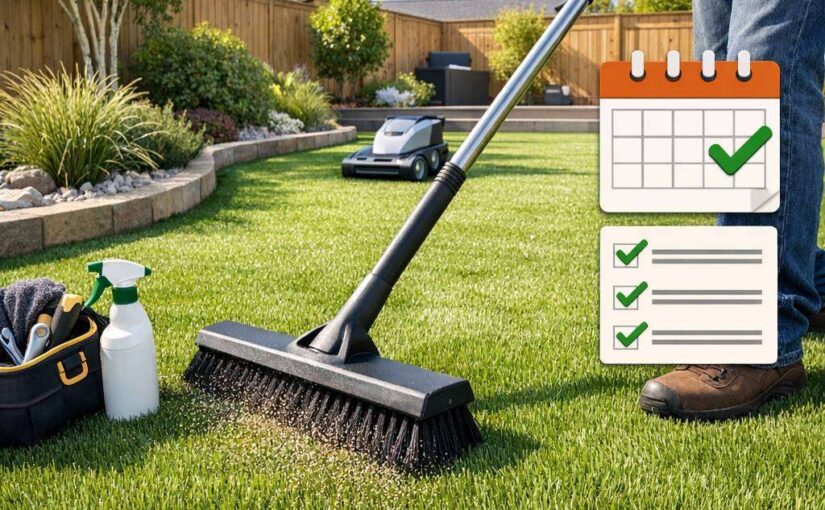
Artificial grass has transformed the way we think about outdoor spaces, offering year-round greenery with minimal fuss. For property owners, facility managers, and sports organisations alike, the right maintenance routine is what preserves the look, feel, and performance of artificial turf over time. This guide, written from the perspective of an industry expert, covers practical steps, best practices, and practical tips to maximise the longevity of your artificial grass installations.
Whether you’re seeking guidance on artificial grass maintenance uk standards, looking for an artificial grass maintenance near me service, or planning a comprehensive artificial pitch maintenance plan, the following checklist will help you establish a robust regime that keeps surfaces safe, aesthetically pleasing, and durable.
What to include in an artificial grass maintenance programmeA well-structured maintenance programme combines regular routine tasks with periodic deeper cleans and annual reviews. The aim is to prevent issues before they arise, maintain drainage efficiency, and preserve the fibre and infill balance that define the feel and bounce of the surface. A good programme should be tailored to usage patterns, climate, and the specific product installed, whether it’s residential turf, a commercial landscape solution, or an artificial pitch.
Initial installation considerationsAfter installation, the first months are most critical for establishing a stable base and correct infill levels. Verify that the drainage system remains unblocked, the yarn lies flat, and infill distribution is uniform. Record baseline measurements for height, pile direction, and fibre look so future inspections can quickly determine deviations. A professional artificial grass maintenance package often includes a post-installation inspection to confirm that the installation standards have been met and to identify any adjustments needed.
Daily and weekly care routinesFor busy sites, simple daily or weekly routines help keep surfaces pristine and safe. Many maintenance artificial grass regimes include light brushing to lift flattened fibres and restore fibre alignment, along with debris removal. If the surface supports heavy use or has pets, more frequent debris clearance and odour control measures may be appropriate. Routine checks should include a quick visual inspection for wear, balding patches, or any signs of drainage issues after rainfall.
Cleaning and hygiene considerationsResidential and commercial environments benefit from regular cleaning to remove surface debris, dust, pollen, and spill-related residues. For households, a routine of rinsing with water is often sufficient, while sports or public use areas may require more thorough cleaning protocols. It’s important to avoid harsh chemicals that could degrade the backing or infill. When odours are present or contamination is heavy, a mild, turf-safe cleaner followed by thorough rinsing is advisable. In some cases, a targeted cleaning approach, described in an artificial grass care and maintenance plan, may be needed to address specific contaminants.
Infill management and groomingInfill levels influence cushioning, stability, and drainage. Regular grooming with a stiff-bristle broom or specialised brush helps maintain even infill distribution and keeps fibres upright. Periodic checks should confirm that infill depth matches the manufacturer’s recommendations, typically measured in millimetres relative to the backing. If infill has migrated to edges or seams, redistribute it with a controlled rake or shovel and re-brush the surface. Proper infill maintenance is a key element of long-term surface performance and is often included in an artificial grass maintenance package.
Weed and pest controlWeed growth can occur around the edges or through gaps in joints. A combination of physical removal, edge trimming, and spot treatments with turf-safe products is usually sufficient. For pet owners, ensure that odours are controlled and that flea or parasite concerns are addressed through approved maintenance methods. Regular perimeter checks will help catch early weed encroachment before it impacts aesthetics or drainage.
Drainage and surface testingEfficient drainage is a cornerstone of artificial grass longevity. After heavy rain, observe whether water drains quickly or pools on the surface. If drainage is sluggish, investigate potential blockages in the sub-base, drainage channels, or the perforated backing. Periodic tests, such as a simple water run-off check, can be integrated into an artificial grass maintenance schedule to identify emerging problems. Professionals can perform more detailed assessments as part of an artificial grass maintenance near me service.
Edge and seam inspectionOver time, edging and seams may loosen due to ground movement, temperature changes, or heavy use. Inspect seams for lifting fibres or gaps and monitor the edge joints where the turf meets hardscape or borders. Prompt reseaming and re-securement often prevent further damage and extend the life of the installation. An effective maintenance programme will include routine seam assessments within the artificial grass maintenance package.
Seasonal care and climate considerationsSeasonal changes influence turf performance. In colder climates, check for frost-related rigidity and ensure that de-icing agents used outside the initial guidelines do not damage the fibres. In hot climates, monitor for rapid drying and flattening during peak sun hours, adjusting grooming frequency accordingly. A robust maintenance plan recognises these patterns and adjusts routines to maintain performance throughout the year.
Documentation, reporting, and professional supportMaintain records of all maintenance activities, including brushing schedules, cleaning products used, infill levels, and any repairs. This documentation supports warranties and provides a clear history for future inspections. For organisations seeking assurance or ongoing assurance, engaging a credible artificial grass maintenance provider offers consistent expertise, recommended product lines, and accountability. A full artificial grass maintenance package typically includes routine inspections, recommended maintenance actions, and annual reviews to refresh the surface integrity.
Choosing the right level of serviceMaintenance needs vary by use case. A home garden may require minimal intervention, while a school or sports facility may demand a proactive artificial pitch maintenance schedule with frequent grooming, cleaning, and drainage checks. When evaluating options, consider the scope of work, response times, and the qualifications of technicians. If you are exploring artificial grass maintenance uk standards or trying to locate artificial grass maintenance near me, opt for providers with demonstrable experience across product types, backing coatings, and installation methods.
In sum, a disciplined approach to maintenance artificial grass, anchored in a well-structured artificial grass maintenance programme, is essential for sustained aesthetics, safety, and performance. By combining routine grooming, targeted cleaning, infill management, drainage vigilance, and professional assessments, you can secure long-term value from your artificial turf investment and keep surfaces looking and performing at their best.
Maintain artificial grass properly to extend its lifespan and preserve a lush appearance. Regular brushing, debris removal, and occasional cleaning prevent fungal growth and yarn matting. Use a gentle power wash when needed, and reseed or patch worn areas promptly. For expert guidance and maintenance tips, visit https://www.artificialgrassmaintenance.co.uk; your lawn will thank you.