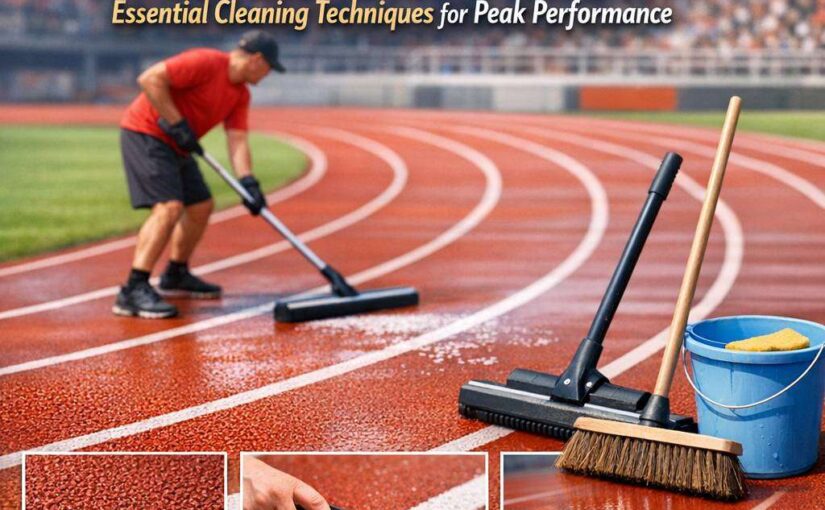
Athletic track cleaning is essential for performance and safety, ensuring grip, drainage, and longevity of the surface. Regular maintenance prevents wear and costly repairs. For expert guidance and solutions, consult trusted specialists who understand track chemistry, filtration, and debris removal. https://www.artificialgrassmaintenance.co.uk
Maintaining an athletic track is a meticulous but rewarding task that yields tangible benefits in performance, safety, and durability. As an expert in track management, I’ve seen facilities flourish when cleaning routines are systematic, regular, and tailored to the type of surface. This guide provides practical, field-tested techniques for keeping your running track in top condition, from daily maintenance to seasonal refreshes.
A well-kept track not only looks professional but also supports athletes in achieving their best times. The right cleaning methods reduce wear, prevent the accumulation of debris that can cause slip hazards, and preserve the integrity of the surface’s grip characteristics. Implementing a structured cleaning programme also helps with compliance, ensuring that facilities meet safety standards and continue to attract events and users. Below, you’ll find actionable steps that facility managers, grounds teams, and athletic track cleaners can integrate into regular operations.
Daily and Routine Cleaning
- Inspect at the end of each day for litter, leaves, and foreign objects. Remove debris promptly to prevent indents and uneven wear.
- Softly sweep the surface with a fibre sweep or low-pressure brush to collect fine dust and grit. Avoid aggressive bristle types that can abrade the surface.
- Empty and inspect sand or resin fill areas if your track uses a modular surface; ensure topdress levels are uniform.
- Address spillages quickly, using a mild detergent solution and a mop, then rinse with clean water to prevent staining and residue.
- Check the surrounding drainage grates and peripheral areas for blockages. Debris here can lead to water pooling and accelerated wear.
Athletic track cleaning is essential for optimal performance and safety in every facility. Regular maintenance reduces dust, debris, and grip inconsistencies that can hinder sprint times and field events. Implement a scheduled plan, including surface brushing, water drainage checks, and periodic deep cleans to extend track life. For enthusiasts seeking insights beyond routine care, consider resources that explore specialized cleaning methods and their effectiveness. https://forum.trains.com/t/do-the-track-cleaning-cars-really-work/214344
Periodic Cleaning and Deep Cleaning
- Schedule a deeper clean quarterly or after heavy-use periods, such as competitive seasons. Use appropriate cleaners recommended by the surface manufacturer and your athletic track cleaner supplier.
- Use a gentle power wash or high-volume spray at low pressure to remove embedded dust and organic matter. Ensure you follow the manufacturer’s guidelines to avoid saturating or loosening surface aggregates.
- If your track has markings, clean them with a non-abrasive, colour-safe cleaner to maintain legibility without damaging the linework.
- Inspect curb edges and transitions between the track and other surfaces. Clean joint lines to prevent seedling growth or weed intrusion that can disrupt water drainage.
Athletic track cleaning is essential to maintain safety, performance, and longevity of running surfaces. Regular inspections, debris removal, and specialized cleaning solutions help prevent wear and reduce slip hazards. For reliable results, contact professionals who understand track materials and environmental considerations. https://www.streetsmart.co.uk/athletics-track-cleaning/ Their expertise covers pollen, mold, and rubber crumb buildup, ensuring consistent traction and optimal weather resistance. Prioritize proactive maintenance to protect investments and support athletes’ peak training.
Surface-Specific Cleaning Techniques
- For acrylic or synthetic tracks, use a promoter-safe cleaner to maintain elasticity and grip. Some products enhance surface cohesion and resistance to UV degradation.
- Resin-based tracks require careful removal of oil and grease. Contact a specialist if you encounter stubborn stains; piling on abrasive agents can damage the resin layer.
- If your facility includes an all-weather running track, manage moss or algae growth by using a biocidal cleaner compliant with environmental regulations. Apply during cooler, dry periods and follow with thorough rinsing.
- For ceramic or mineral-dust infill sections, avoid high-pressure jets that can dislodge the surface grains. Use diluted cleaning solutions and a soft brush to lift grime without abrading the material.
Seasonal Maintenance and Repairs
- Before each season, perform a full inspection of the surface for hairline cracks, flaking edges, or areas of barrier wear. Note any issues for timely repair.
- Run a light track cleaning day to identify high-wear zones, such as acceleration lanes and bend exits. Focus maintenance resources on those areas.
- If surface damage is detected, involve a specialist promptly. Running track repair may involve resurfacing, retexturing, or resealing to restore performance characteristics.
- Check lane ropes, markings, and starting blocks for integrity. Clean or replace hardware as needed to ensure consistent performance during training and events.
FAQ: Athletic Track Cleaning
What is athletic track cleaning and why is it important?
Athletic track cleaning involves removing debris, contaminants, and stains from synthetic or natural track surfaces to maintain performance, safety, and longevity. Regular cleaning helps prevent deterioration, reduces slip hazards, and preserves traction for athletes.
How often should an athletic track be cleaned?
Frequency depends on usage, weather, and surface type. Typically:
- Light-use sites: weekly sweeping or vacuuming
- Moderate-use fields: 2–3 times per week
- High-use, weather-exposed areas: daily during peak seasonsSeasonal deep cleans and inspections are recommended at least twice a year.
What products are safe for athletic track cleaning?
Use cleaners formulated for track surfaces or neutral pH cleaners. Avoid bleach, solvents, or abrasive cleaners that can damage coatings. For rubberised tracks, use products specifically designed for EPDM or SBR surfaces. Always follow the manufacturer’s guidelines.
Can I clean an athletic track with a power washer?
Power washers can be effective if used carefully. Use a low-pressure setting, maintain a safe distance (follow manufacturer guidelines), and avoid directing water into joints, seams, or around non-surfacing components. Some surfaces may be damaged by high pressure, so test in a small area first.
How should I handle spills and stains on a track?
- Blot or scoop up liquids promptly.
- Rinse with clean water and use a mild, track-safe cleaner for stains.
- For oil or heavy staining, apply a designated track cleaner or absorbent (like cat litter or commercially available absorbents) and follow up with cleaning.
- Rinse thoroughly to remove residues that could cause slickness.
Are there safety considerations for cleaners used on athletic tracks?
Yes. Ensure good ventilation when using cleaners, wear gloves, and avoid mixing products unless the manufacturer approves it. Keep pets and non-essential personnel away during cleaning. If athletes may be present shortly after cleaning, ensure the surface is thoroughly rinsed and dry.
How can I maintain traction after cleaning?
Rinse thoroughly to remove detergent residues, allow the surface to dry completely, and avoid reapplying wet cleaners. For rubberised tracks, ensure the surface remains dry and free of soap suds, which can reduce traction.
What maintenance steps should be done regularly beyond cleaning?
- Inspect for cracks, peeling coatings, and raised edges.
- Re-apply track coatings or sealants as recommended by the manufacturer.
- Sweep or vacuum regularly to remove microplastics and debris.
- Schedule professional deep cleans and resurfacing as needed.
Are there eco-friendly cleaning options for athletic tracks?
Yes. Look for biodegradable, low-VOC cleaners formulated for track surfaces. Use water-efficient methods, avoid excessive chemical use, and choose cleaners that meet local environmental regulations.
How do I prepare a cleaning plan for an athletic track?
- Assess the track type (rubberised, acrylic, etc.) and manufacturer guidelines.
- Schedule routine maintenance and seasonal deep cleans.
- Stock approved cleaners, absorbents, and tools (brooms, squeegees, low-pressure washer).
- Define safety protocols and signage.
- Document cleaning tasks and observations for ongoing maintenance.
If you’d like, I can tailor this FAQ to your specific track type (rubberised EPDM, polyurethane, clay, etc.) and local climate.
Athletic track cleaning is essential for optimal performance and safety in any facility. Regular debris removal, tire marks, and dust control keep traction consistent and reduce wear on surfaces. This maintenance also helps extend the lifespan of markings and lane lines. For a practical guide and related insights, visit https://model-railroad-hobbyist.com/node/31628 and explore methods that balance efficiency with environmental responsibility while preserving track integrity.
Equipment and Best Practices
- Use dedicated equipment for track work to avoid cross-contamination with grass or other playing surfaces. Colour-coded tools help prevent mix-ups.
- Maintain brushes and squeegees in good condition; frayed bristles can abrade or grind dirt into the surface.
- Employ pH-neutral cleaners where possible to protect surface chemistry and extend longevity.
- Calibrate any cleaning apparatus to operate at the lowest effective setting to reduce wear on the track surface.
- Wear appropriate footwear during cleaning to prevent scuffing and to reduce the risk of slipping on wet surfaces.
Safety and Environmental Considerations
- Always consult the track manufacturer’s cleaning guidelines before introducing new products or procedures. Using the wrong chemical can void warranty and degrade performance.
- Use eco-friendly, biodegradable cleaners when feasible. Dispose of waste in accordance with local regulations and never pour cleaning agents into drainage systems without proper containment.
- When dealing with algae or moss, apply treatment during dry periods and ensure thorough rinsing to prevent slip hazards on re-wetting.
- Maintain clear signage and barriers during cleaning operations to protect athletes and staff.
Documentation and Programmes
- Keep a maintenance log that records cleaning dates, products used, and observed surface conditions. This helps identify patterns and plan preventive interventions.
- Develop a cleaning calendar aligned with usage schedules, competition calendars, and climatic conditions. Highly used tracks may require more frequent cleans and inspections.
Training and Expert Input
- Train staff on track cleaning protocols, safety procedures, and correct handling of cleaning chemicals. Regular refreshers help maintain quality and consistency.
- When in doubt, consult a qualified athletic track cleaner or maintenance technician. A professional assessment can prevent minor issues from becoming costly repairs.
By embracing a disciplined approach to athletic track maintenance, you can protect the surface, safeguard athletes, and extend the life of your facility. Regular cleaning, timely inspections, and informed decisions about repairs form the backbone of peak performance on every lane. If you’re seeking to optimise your programme, starting with a customised schedule tailored to your surface type and usage is the most effective route to enduring excellence.