Synthetic Cricket Pitch Maintenance and Installation

Can you breathe life into an old, uncared for cricket wicket?

As any cricketer knows, the standard of the playing surface may have a serious influence on just how the ball reacts. Wickets which are uneven or pitted can cause the cricket ball to behave inconsistently, wickets which are really hard can make the cricket ball bounce higher and very quickly, while cricket wickets which are coated in grass will reduce how much that a spin bowler can turn the ball.
Click here for additional info www.artificialgrassmaintenance.co.uk/cricket-pitch-wicket-maintenance-installation

To successfully standardise the playing surface and provide a wicket which you can use in most conditions, countless leisure centres, educational institutions and cricket clubs use synthetic wickets. Despite the fact synthetic pitches will be more durable than organic cricket wickets, additionally need regular upkeep to ensure that they’re in tip top condition. Luckily, even old, neglected wickets may be brought back to life with a little bit of Tender loving care and the most suitable treatment solution.

Synthetic Cricket Pitches

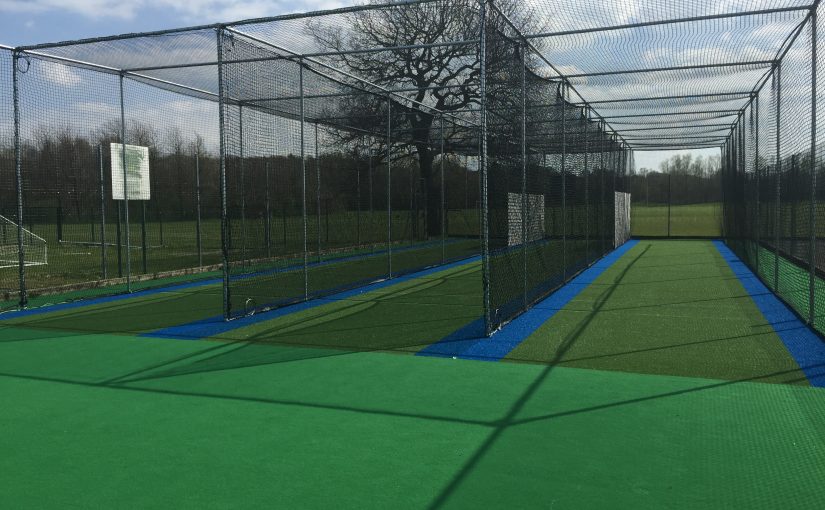
Synthetic wickets are generally installed on either a dynamic (stone) or non-dynamic (macadam or concrete) base. The surface of the cricket wicket itself is made from high-quality short pile carpet that’s either timber edged and nailed or nailed directly into the aggregate. Shock pads will also be fitted under the surface of the wicket to ensure the ball bounces perfectly and that the synthetic wicket responds much the same way to the ball every single time, regardless of the weather.

Maintaining An Artificial Pitch

Like all synthetic surfaces, artificial cricket pitches should be competently maintained if they’re to offer the best possible playing pitch all year long. It is recommended that anyone using an synthetic cricket pitch really should apply a yearly deep clean process, level the batting zone often and use a minimum of one chemical treatment every six months.

Even with repeated repairs and maintenance, cricket pitches may diminish eventually, shock pads can solidify and areas may become irregular. If you see that the bounce of the cricket ball is starting to become uneven or that the surface area is looking tired and worn, it may be the perfect time to give your artificial playing surface a renovation.
Synthetic Cricket Pitch Installation and Maintenance

Can you breathe life into a used, uncared for cricket wicket?
There are a few laying an artificial cricket wicket blogs in the UK, if you’re searching to acquire more information or perhaps prices this url is a superb kick off point www.artificialgrassmaintenance.co.uk/cricket-pitch-wicket-maintenance-installation.

Every cricketer is aware, the caliber of the playing surface can have a major impact on the way the cricket ball behaves. Wickets that are uneven or pitted might cause the cricket ball to behave inconsistently, pitches that are really hard could make the ball bounce high and very quickly, while wickets which are blanketed in grass is going to minimise how much that a spin bowler can turn the ball.

To be able to standardise the playing surface and offer a wicket that you can use in most circumstances, numerous leisure centres, educational institutions and cricket clubs use synthetic pitches. Although artificial cricket wickets are much more hard wearing than purely natural cricket wickets, they also need frequent routine maintenance to keep them in great condition. Thankfully, even ancient, uncared for cricket wickets can be brought back to life with a little Tender loving care and the most suitable treatment.

Artificial Cricket Wickets

Synthetic cricket wickets may be laid on either a dynamic (stone) or non-dynamic (macadam or concrete) base. The top of the cricket wicket is made of premium quality short pile carpet that is either hardwood edged and nailed or nailed directly into the aggregate. Shock pads can also be installed under the surface of the pitch to ensure the ball bounces correctly and also that the artificial wicket responds exactly the same to the ball every single time, what ever the elements.

Maintaining A Synthetic Pitch

Like most manufactured surfaces, synthetic cricket pitches have to be correctly maintained if they’re to offer the most effective playing wicket all year round. We recommend that anyone having an artificial cricket pitch ought to make use of an annual deep clean regime, level the batting region continuously and use at least one chemical treatment method every six months.

Regardless of frequent repairs and maintenance, cricket pitches may degrade as time passes, shock pads can harden and surface areas may become irregular. When you notice that the bounce of the ball has started to become uneven or that the surface looks tired and worn, it could be time for you to give your artificial wicket a face lift.