Blog

Common Myths About Artificial Grass Maintenance Services Debunked

Artificial grass has become a popular choice for residential and commercial spaces alike due to its aesthetic appeal, durability, and low maintenance requirements. However, misconceptions surrounding artificial grass maintenance still persist. This article seeks to debunk common myths about maintaining artificial grass and provide clarity on what artificial grass care and maintenance truly entail, particularly in the context of the UK.

Maintaining Artificial Grass: It’s Just Like Real Grass

One of the most prominent myths is that maintaining artificial grass is the same as taking care of natural grass. While there are some similarities, such as occasional brushing and cleaning, the overall maintenance requirements differ significantly. Natural grass requires regular watering, mowing, fertilising, and pest control, which are generally unnecessary for artificial turf.

Artificial grass maintenance focuses on keeping the surface clean and tidy, ensuring it looks its best while retaining its durability. Tasks such as removing debris, rinsing down with water, and ensuring the infill remains evenly distributed form the core of artificial grass care and maintenance.

Maintaining artificial grass is essential for ensuring its longevity and appearance. An artificial grass maintenance service can help keep your lawn looking fresh and vibrant all year round. These professional services include grooming, cleaning, and repairing to prevent wear and tear. Investing in the right tools can also enhance the quality of maintenance. For an effective option, check out this maintenance tool: https://www.smg-gmbh.de/en/turf/maintenance/turfrouter-tr500.

Artificial Grass Maintenance UK: It’s Too Expensive

Another misconception is that engaging professional artificial grass maintenance services in the UK is prohibitively expensive. In reality, the investment often pays for itself when you consider the long-term benefits. While there is an initial installation cost, the required upkeep is significantly less than what you’d invest in the maintenance of a natural lawn.

Regular professional maintenance services often include deep cleaning, infill replacement, and inspections for any damage, all contributing to a longer lifespan for your investment. By keeping your artificial grass in excellent condition, you mitigate the risk of costly repairs or replacements in the future.

Artificial Pitch Maintenance: Only for Sports Facilities

Some believe that artificial pitch maintenance is only applicable to sports facilities, thereby dismissing its importance for residential installations. This myth is misleading, as the principles of maintenance remain applicable regardless of the usage type.

While the frequency and methods of maintenance may vary between high-traffic sports fields and residential gardens, both require attention to detail. Regular inspections, cleaning, and infill management help ensure a safe and aesthetically pleasing environment, whether it’s for a football pitch or a family garden. The same maintenance standards should be applied across all types of artificial grass installations.

Maintaining the pristine appearance of your artificial grass is essential for longevity and aesthetic appeal. An effective artificial grass maintenance service can help ensure your lawn remains free of debris and retains its lush look. For expert care and specialized solutions, consider reaching out to professionals who can assist you. Learn more here: https://turfmonstersaz.com/services/artificial-turf-care/.

Maintain Artificial Grass: It’s Litter-Free

A common misconception is that artificial grass is entirely litter-free. While it does not grow or attract weeds like natural turf, debris such as leaves, twigs, and dirt can accumulate on the surface. Routine maintenance is essential to keep artificial grass looking pristine.

Regularly removing loose debris not only improves the appearance of the space but also prevents it from becoming embedded in the fibres of the grass. Additionally, any foreign particles could lead to the growth of mould or bacteria if not dealt with promptly. A simple maintenance schedule involving brushing and rinsing can help keep your artificial grass free of any build-up.

Artificial Grass Maintenance: No Special Equipment Needed

There’s a myth that maintaining artificial grass requires no specialised equipment. While the tasks may seem simple, having the right tools can significantly enhance your efficiency and the thoroughness of your work. A rake designed for artificial turf, a stiff bristle broom, and a hose with a spray nozzle are just a few examples of tools that can aid in the regular maintenance of artificial grass.

Moreover, professional maintenance services often utilise advanced equipment and techniques that may not be available to the average homeowner. This can include specialised cleaning systems, infill replacement machines, and quality checks that ensure repairs are conducted correctly and thoroughly.

Ensure your synthetic lawn remains vibrant and lush with our professional artificial grass maintenance service. We offer tailored solutions to keep your grass pristine, enhancing its longevity while providing a beautiful outdoor space for your enjoyment.

Artificial Grass Care and Maintenance: It’s Not Necessary

One of the biggest misconceptions is that artificial grass does not require any maintenance at all. While it may be low maintenance compared to natural turf, artificial grass does require periodic care to ensure its longevity. Ignoring maintenance can lead to a host of issues, such as fibre compression, poor drainage, and diminished aesthetics.

Regular maintenance routines, whether undertaken by yourself or a professional service, are essential to extend the life of your artificial lawn. Failure to undertake maintenance can eventually lead to significant repairs or even replacement, costing far more than routine upkeep.

Artificial Grass Maintenance Service: A Waste of Money

Some homeowners sceptically view hiring an artificial grass maintenance service as an unnecessary expenditure. However, professional services are equipped with the expertise and tools to ensure your artificial grass remains in peak condition. They can also spot potential issues before they escalate into more significant problems.

Moreover, opting for a professional service can save you considerable time and effort, allowing you to enjoy your outdoor space without the chore of maintenance. The peace of mind that comes with knowing your investment is in capable hands often outweighs the initial costs involved.

By understanding the realities of artificial grass maintenance and dispelling these myths, homeowners can make informed decisions about their outdoor spaces. Whether through self-maintenance or professional services, proper care is essential to preserve the beauty and functionality of artificial grass.
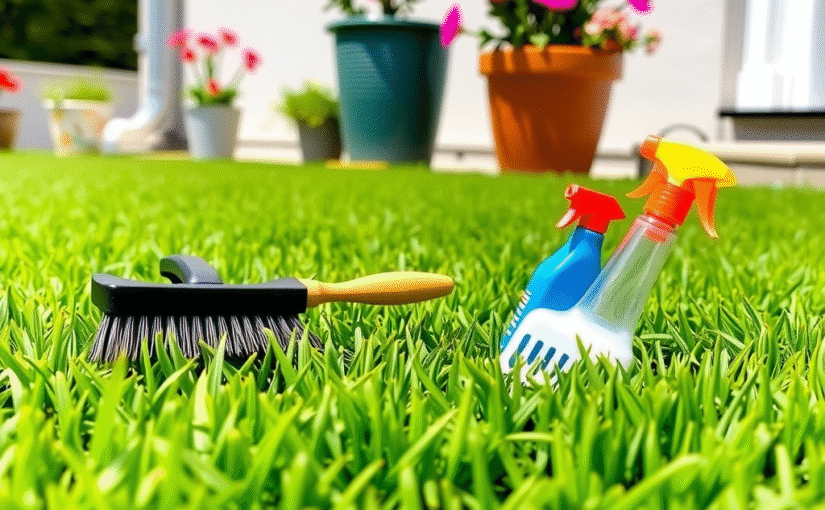
Top 10 Maintenance Tips for Keeping Your Artificial Grass Looking Fresh

Artificial grass has become an increasingly popular choice for homeowners in the UK, thanks to its aesthetically pleasing appearance and low maintenance requirements. Despite its reputation as a “no-fuss” option, a little effort goes a long way in ensuring that your artificial lawn continues to look its best. With a comprehensive artificial grass maintenance routine, you’ll be able to enjoy the beauty of your synthetic turf without having to worry about wear and tear.

In this blog post, we’ll explore the top ten maintenance tips that will help you keep your artificial grass looking fresh and vibrant. Whether you’re a seasoned artificial grass owner or just considering a switch from natural grass, these simple yet effective practices will ensure your lawn remains a source of pride for years to come.

Artificial Grass Maintenance

The key to successful artificial grass maintenance lies in understanding its unique characteristics. Unlike natural grass, which needs regular mowing, watering, and fertilising, artificial grass only requires a fraction of that effort. However, this doesn’t mean it’s entirely maintenance-free. Regular upkeep helps prevent dirt, debris, and bacteria from accumulating, ensuring your lawn stays clean and safe for children and pets.

Artificial Grass Maintenance UK

The climate across the UK can present specific challenges when it comes to maintaining your artificial grass. Rain, wind, and varying temperatures can all contribute to the wear and tear on your lawn. To counteract these effects, it’s essential to create a regular maintenance schedule tailored to your local weather conditions. By doing this, you can be proactive rather than reactive, maintaining a beautiful lawn regardless of the season.

Artificial Grass Maintenance Service

For those who may not have the time or inclination to handle maintenance on their own, opting for an artificial grass maintenance service can be a smart choice. Professional maintenance services offer expertise and proper equipment, ensuring your lawn receives the care it requires. From deep cleaning to checking for damage, these services can help maintain your grass’s appearance and longevity. Research reputable artificial grass maintenance services in your area and consider setting up regular appointments for the best results.

Proper maintenance of artificial grass is essential for longevity and appearance. Regular cleaning, infill replenishment, and debris removal ensure your lawn remains in pristine condition. For expert advice, visit https://www.artificialgrassmaintenance.co.uk to learn more.

Maintenance of Artificial Grass

Proper maintenance of your artificial grass includes routine cleaning and occasional deeper treatments. Start by using a stiff brush to rake the grass blades in an up-and-down motion, which helps keep them standing tall and prevents matting. Regularly remove any leaves, twigs, or other debris to keep your lawn looking pristine.

In addition, a good hose-down can help wash away dirt and dust. For tougher stains, a mixture of warm water and mild dish soap can be applied to a soft cloth and wiped over the area. Always remember to rinse thoroughly to remove any soap residue.

Maintain Artificial Grass

Aside from regular cleaning, it’s essential to take steps to maintain your artificial grass’s structure. Be cautious of heavy objects or furniture being left on the lawn for prolonged periods, as this can create unsightly dents in the turf. If your lawn experiences heavy foot traffic, consider installing pathways to direct traffic and protect delicate areas.

Additionally, pet owners should routinely pick up pet waste and thoroughly clean affected areas to avoid odours and staining. Many artificial grass products are designed with built-in drainage systems, but proactively managing waste will keep your lawn fresh and clean.

Maintenance Artificial Grass

Investing in a maintenance artificial grass package may be a wise choice if you’re keen on keeping your lawn in tip-top shape without lifting a finger. These packages often include a combination of cleaning, inspections, and repairs specifically designed for your type of turf.

When exploring your options, reach out to local service providers to understand what their maintenance packages include. Some might offer in-depth cleaning with specialised equipment, while others may focus on inspecting for damages, providing a great way to extend the life of your grass.

Artificial Grass Care and Maintenance

Caring for artificial grass also means watching out for the surrounding environment. If you have overhanging trees or plants that shed leaves, consider trimming them back to prevent debris on your lawn. Keep in mind, grime can accumulate quicker in shaded areas, so those zones may require more frequent cleaning.

Also, be mindful of any chemicals or debris that may inadvertently come into contact with your artificial grass. Avoid harsh chemicals or strong detergents, as these might damage the surface. Always check with your artificial grass supplier for recommendations on suitable cleaning products.

Maintaining your artificial grass doesn’t need to be daunting. By following these simple tips and incorporating a few of these practices into your routine, you can enjoy a beautiful, lush lawn throughout the year. Embrace your artificial grass with pride, knowing it enhances your outdoor space without the hassle of traditional lawn care.

The Ultimate Guide to Effective Running Track Cleaning Techniques

Maintaining a clean and safe running track is crucial for ensuring optimal performance and safety for athletes. A well-maintained athletic track not only enhances the aesthetic appeal of the venue but also prolongs the life of the surface, thereby reducing the need for frequent repairs. This guide provides an in-depth look at the best practices and techniques for effective running track cleaning, helping facility managers and athletic directors to uphold the standards of their venues.

Maintaining a clean running track is essential for safety and performance. Regular running track cleaning prevents debris buildup, reducing the risk of slips and injuries. For professional services that ensure your track remains in top condition, consider experts in the field. They utilize specialized equipment and techniques for optimal cleaning. Learn more about the importance of track maintenance at https://www.artificialgrassmaintenance.co.uk. Keeping your running track clean enhances athletic performance and prolongs its lifespan.

Understanding Different Track Materials

Before diving into specific cleaning techniques, it is essential to understand the different materials used in athletic tracks. Common materials include:

  • Polymeric Tracks: Often made of synthetic rubber or polyurethane, these tracks provide excellent grip and cushioning.
  • Cinder and Clay Tracks: Traditional surfaces that require more maintenance due to their susceptibility to weather conditions.
  • Tartan Tracks: A type of synthetic rubber track known for its durability and versatility.

Each material has unique maintenance requirements, and using the appropriate cleaning methods is vital to avoid damage.

Regular Inspection and Maintenance

Regular inspection and maintenance form the foundation of effective track cleaning and overall athletic track maintenance. Inspect the surface weekly for debris, damages, and any signs of wear and tear. Pay particular attention to the following elements:

  • Cracks and Fissures: Identify early signs of damage that may require running track repair.
  • Debris Accumulation: Leaves, stones, and litter can affect the safety and performance of the track.
  • Surface Discolouration: Stains from spills or weather can detract from the track’s appearance.

By addressing these issues promptly, you will not only enhance safety but also reduce the long-term costs associated with track repairs.

Proper running track cleaning is essential for optimal performance and safety. Regular maintenance removes dirt and debris, enhancing the track’s longevity. For detailed guidelines on effective cleaning practices, visit https://community.hornbyhobbies.com/forums/topic/29046-track-cleaning-frequency/.

Essential Tools and Equipment

Using the right tools for athletic track cleaning can dramatically improve effectiveness. Equip yourself with the following:

  • Brooms and Brushes: A stiff-bristled broom is essential for removing loose debris, while softer brushes are perfect for delicate surfaces.
  • Pressure Washer: A pressure washer can effectively clean away dirt and grime but should be used with caution to avoid damaging the track surface.
  • Mops and Squeegees: Ideal for cleaning smaller areas and ensuring that no moisture remains after washing.
  • Specialised Cleaners: Always opt for an athletic track cleaner that is specifically formulated for the track material being cleaned. These products are designed to remove stains without compromising the surface.

Cleaning Techniques

Cleaning techniques will vary depending on the materials and the level of contamination present. Here are some popular methods:

Dry Cleaning Method

For light cleaning, a simple dry-cleaning technique may suffice:

Maintaining optimal performance is essential for any model railway enthusiast, and running track cleaning plays a crucial role. Regular cleaning prevents tarnishing and ensures smooth operation. For detailed tips, check out this link: https://community.hornbyhobbies.com/forums/topic/2695-cleaning-tarnished-track/.

Wet Cleaning Method

For deeper cleaning, particularly on polymeric tracks, employ the wet cleaning method:

Spot Cleaning

For isolated stains, such as those caused by oil, food, or drink spills:

Seasonal Maintenance

In addition to regular cleaning, seasonal maintenance is vital. This includes:

  • Autumn Cleaning: Focus on removing fallen leaves and debris that may have accumulated over time.
  • Winter Preparation: Inspect for damage and conduct a thorough cleaning before winter weather can worsen the condition.
  • Spring Maintenance: A comprehensive cleaning after winter can help prepare the track for the busy season.

Importance of Professional Services

In some cases, you may wish to engage professional athletic track cleaning services. These specialists have the experience and equipment necessary for effective cleaning and maintenance. They can also carry out essential repairs, ensuring that the track remains in prime condition for athletes.

FAQ: Running Track Cleaning

What is running track cleaning?

Running track cleaning refers to the process of maintaining and keeping outdoor or indoor athletic tracks free from dirt, debris, and contaminants. This helps enhance the performance of athletes and prolongs the life of the track surface.

Why is running track cleaning important?

Regular cleaning prevents the buildup of materials such as dirt, moss, leaves, and oils that can cause safety hazards for runners. Additionally, it helps maintain optimal traction on the surface, reducing injury risks while preserving the integrity of the material.

How often should a running track be cleaned?

The frequency of cleaning depends on several factors including weather conditions, location, and usage. Ideally, tracks should be cleaned weekly or bi-weekly during active seasons but may require more frequent attention after storms or events.

What methods are commonly used for running track cleaning?

Common methods include:

  • Pressure Washing: Effectively removes grime without damaging surfaces.
  • Brooming & Sweeping: Physical removal of debris using specialised brooms designed for tracks.
  • Chemical Treatments: Use of non-toxic detergents to break down oils or other contaminants.

Always follow manufacturer recommendations to ensure safe practices.

Can I clean my own running track or should I hire professionals?

While routine maintenance tasks can often be handled by facility staff or volunteers (such as sweeping), professional services are advisable for deeper cleanings involving pressure washing or chemical treatments. Professionals bring expertise to avoid damaging delicate surfaces.

What equipment do I need for effective running track cleaning?

Essential equipment includes:

  • A high-pressure washer
  • Specialized brooms
  • Leaf blowers
  • Non-toxic cleaners specifically formulated for synthetic surfaces

Make sure all equipment is suitable for your specific type of athletic surface.

Are there environmentally friendly options available in running track cleaning?

Yes! There are eco-friendly detergents available that effectively clean while being gentle on both your athletic surface and local ecosystems. It’s always best to look out for biodegradable products that minimise chemical runoff into surrounding areas.

Can poor maintenance affect athlete performance on a running track?

Absolutely! A dirty or poorly maintained surface can lead to slippery conditions and increase injury risk. It may also impact an athlete’s speed by creating additional resistance against their footwear if debris accumulates over time.


If you have any more questions regarding running track cleaning not answered above, feel free to reach out!

Conclusion

Establishing a systematic approach to running track cleaning and maintenance ensures that the surface remains safe and conducive to athletic performance. By understanding the various materials, employing the proper tools, and utilising effective techniques, facility managers can uphold the standards of their athletic tracks for years to come.

Ultimate Guide to Tennis Court Cleaning: Tips for a Pristine Surface

Maintaining a pristine tennis court is essential for not only aesthetic reasons but also for enhancing the playing experience. A clean court can significantly improve gameplay and longevity. This guide provides comprehensive insights into tennis court cleaning, maintenance, and repairs, particularly focused on artificial grass tennis courts.

Importance of Tennis Court Cleaning

Regular tennis court cleaning ensures a safe and pleasant playing environment. Dirty or poorly maintained surfaces can lead to several issues, including:

  • Reduced Safety: Contaminants such as mud, leaves, and debris can create hazards, leading to slips and falls.
  • Decreased Performance: An unclean court can affect ball bounce and traction, influencing player performance adversely.
  • Longevity: Regular cleaning extends the lifespan of your court, saving costs on repairs and resurfacing in the long run.

FAQ: Tennis Court Cleaning

What is tennis court cleaning?

Tennis court cleaning refers to the process of maintaining and restoring the cleanliness and functionality of tennis courts. This involves removing debris, dirt, leaves, and other contaminants from the surface to ensure safe play conditions.

Why is tennis court cleaning important?

Regular tennis court cleaning is crucial for maintaining the integrity of the playing surface. It helps prevent wear and tear, ensures optimal playing conditions, reduces injury risks, and extends the lifespan of your court.

How often should I clean my tennis court?

The frequency of tennis court cleaning depends on usage and environmental factors. Generally, it’s recommended to clean courts at least once a month but may require more frequent attention during peak usage or after adverse weather events.

What are the best methods for tennis court cleaning?

The best methods for cleaning a tennis court include:

  • Brooming: Using a specialised broom to remove loose debris.
  • Pressure Washing: For deep cleans that require removing stubborn stains and mold.
  • Chemical Cleaners: Applying eco-friendly cleaners to tackle grime without harming surfaces.

Consulting with professionals can also help determine effective methods tailored to your specific type of courts (clay, hardcourt, etc.).

Can I clean my own tennis court or should I hire a professional service?

While minor maintenance tasks can be done by yourself with proper tools like brooms or leaf blowers, hiring a professional service is advisable for deep-cleaning tasks that may involve pressure washing or using specialised equipment. Professionals have experience ensuring thorough cleansing without damaging surfaces.

How long does it take to clean a tennis court professionally?

Professional-cleaning duration varies based on factors such as size and condition of the surface. Typically, standard maintenance might take 1–3 hours per court; however, deeper cleans could take longer depending on issues being addressed.

Are there any products I should avoid when cleaning my tennis court?

Yes! Avoid harsh chemicals that could damage your playing surface or harm players’ health. Always check product compatibility with your specific type of surface before application. Opt for environmentally friendly options whenever possible.

What are some signs that my tennis court needs immediate attention?

Look out for these signs indicating it’s time for urgent maintenance:

  • Accumulation of dirt/debris
  • Visible contamination like mold or algae
  • Unusual wear patterns or discoloration
  • Poor drainage causing water pooling

If you notice any of these issues, consider scheduling immediate servicing.

Can neglecting my tennis courts lead to costly repairs later on?

Absolutely! Neglecting regular maintenance can lead to significant damage over time due which could result in costly repairs down the line—it’s always cheaper in both time & money invested into preventative care than dealing with major repairs later!

Feel free to reach out if you have further questions about maintaining your courts’ cleanliness!

Techniques for Effective Tennis Court Cleaning

To achieve optimal results, it’s crucial to adopt a systematic approach to tennis court cleaning. Here are some techniques tailored for various surface types, primarily focusing on artificial grass tennis courts:

1. Regular Sweeping

One of the simplest yet most effective maintenance techniques is regular sweeping. Utilise a soft-bristled broom or a specialised court sweeper to remove dirt, leaves, and other debris from the surface. Aim to sweep the court at least once a week, or more frequently if your court is in a heavily wooded area or experiences high foot traffic.

2. Power Washing

For a more thorough cleaning, consider power washing the surface. This technique is effective in removing stubborn stains, algae, and other contaminants that regular sweeping may miss.

  • Preparation: Before power washing, remove all debris and ensure there are no players on the court.
  • Cleaning Solution: Use a mild cleaning solution that is compatible with artificial grass to avoid damaging the fibres.
  • Technique: Maintain a distance of at least 24 inches from the surface while washing and use a fan tip to disperse the pressure evenly.

3. Use of Cleaning Solutions

While regular water cleaning is essential, incorporating tailored cleaning solutions can enhance the cleaning process:

  • Detergents: Mild detergents can assist in loosening stubborn stains. Make sure to thoroughly rinse the court after application to avoid residue.
  • Algaecides: If your court is prone to mould or algae growth, especially in damp climates, employing an algaecide specifically formulated for artificial grass can be effective.

4. Brushing the Surface

Regular brushing of an artificial grass tennis court is vital for maintaining the integrity of the surface. Over time, the infill material can settle, leading to uneven playing conditions.

  • Tools: Use a power brush or a stiff-bristle broom to lift the fibres and redistribute the infill evenly.
  • Frequency: Brush the surface monthly, or seasonally based on usage patterns, to ensure optimal performance.

Tennis Court Repairs and Maintenance

Cleaning is just one aspect of maintaining a tennis court. Periodic repairs are equally essential to ensure a high-quality playing surface.

Assessing Damage

After cleaning, take the opportunity to assess the court for any signs of damage such as:

  • Cracks: Inspect the surface for cracks, which can worsen over time if not addressed promptly.
  • Unevenness: Look for areas where the surface may be uneven or sunken; this can affect gameplay and increase wear on court surfaces.

Tennis Court Repairs

Once you’ve identified issues, proceed with repairs promptly. Common repairs include:

  • Filling Cracks: Use a suitable patching material that is compatible with your court surface to fill in any imperfections.
  • Resurfacing: If the surface is significantly worn or damaged, tennis court resurfacing may be required. This involves removing the top layer and applying a fresh coat to restore playability.

Tennis Grass Court Maintenance

If you are maintaining a natural grass tennis court, the approach differs considerably from artificial grass. Focus areas include:

1. Regular Mowing

Keep the grass at an optimal height, which typically ranges from 10-15mm, depending on the specific type of grass used. Frequent mowing ensures a smooth playing surface.

Maintaining a pristine tennis court is essential for optimal play and safety. Regular tennis court cleaning enhances performance and extends the surface’s lifespan. For professional services, visit artificialgrassmaintenance.co.uk to ensure your court looks its best.

2. Aerating the Court

Aerate the grass court regularly to allow air and nutrients to penetrate the soil. This practice helps in maintaining healthy grass and preventing compaction.

3. Weeding

Weed control is imperative to maintain the quality of a natural grass tennis court. Adopt an integrated approach that includes manual weeding and selective herbicides.

By implementing these cleaning and maintenance strategies, you not only enhance the aesthetic appeal of your tennis court but also ensure a high-quality playing experience. Whether you are managing an artificial grass tennis court or a traditional grass court, regular upkeep and attention to detail will pay dividends.

The Ultimate Guide to Hockey Pitch Chemical Treatment: Enhance Performance and Longevity

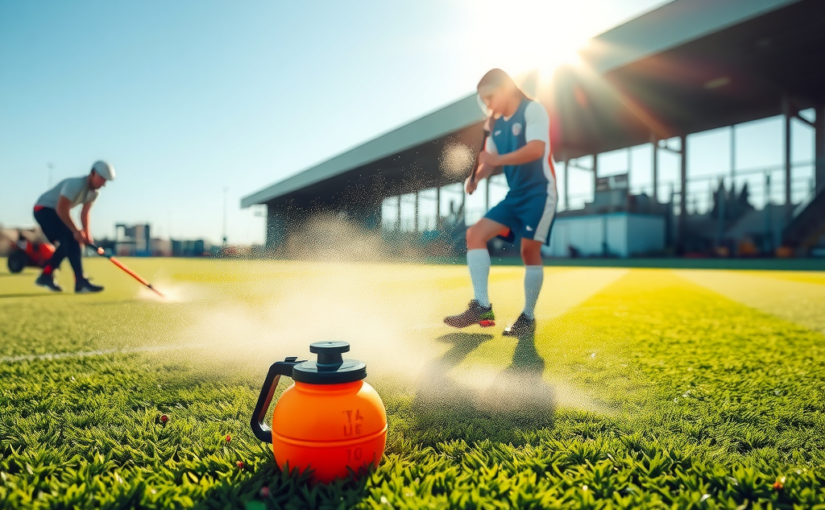
Maintaining the performance and longevity of a hockey pitch is essential for any sports facility manager or club. The right chemical treatments can significantly enhance the playability and aesthetic appeal of your hockey surface. This ultimate guide will explore the various aspects of hockey pitch chemical treatment, focusing on cleaning, rejuvenation, and maintenance strategies.

Hockey Pitch Repairs

Regular hockey pitch repairs are crucial to ensuring a safe and optimal playing surface. Over time, artificial grass can suffer wear and tear due to foot traffic, weather conditions, and general usage. Identifying problems early allows for effective repairs that can prevent further damage and reduce the need for extensive resurfacing later.

Using specialised adhesives and patches designed for artificial grass for hockey can facilitate efficient repairs. Furthermore, treatment with protective chemicals post-repair can enhance the resilience of the patched areas, ensuring they blend seamlessly with the rest of the pitch and maintain performance standards.

Hockey Pitch Astroturf

Hockey pitch Astroturf has become the preferred flooring option for many facilities due to its durability and low maintenance. However, even the most robust synthetic materials require occasional chemical treatments to remain in top condition.

Regular chemical application not only helps with maintaining the aesthetic appeal of the pitch but also aids in its longevity. Choosing non-toxic, environmentally friendly options ensures that the playing surface remains safe for athletes while delivering the desired results in terms of cleanliness and performance.

Artificial Grass for Hockey

The use of artificial grass for hockey has revolutionised the sport, providing a consistent and reliable playing surface. Chemical treatments specifically designed for this type of grass help ensure optimal performance levels.

These treatments can include infill rejuvenators that maintain the elasticity and stability of the turf’s infill material, keeping it evenly distributed and functional. By regularly treating your artificial grass with industry-approved chemicals, you can prolong its lifespan and improve overall performance, making it a worthwhile investment in the regular maintenance schedule.

To maintain optimal performance and safety, regular maintenance is crucial for any hockey pitch. Effective solutions include specialized cleaning and preventive measures. For thorough upkeep, consider investing in hockey pitch chemical treatment to ensure a clean, safe playing surface for athletes.

Hockey Pitch Installation

The initial installation of a hockey pitch is a significant investment, and it is essential to consider how chemical treatments can protect that investment over time. Selecting high-quality turf and an experienced installation team will ensure the pitch is durable and meets performance standards.

After installation, routine chemical treatments play a crucial role in preserving the surface. This includes barriers to protect against environmental factors and special coatings that reduce damage from UV radiation and weathering. Proper installation combined with ongoing chemical treatments will lead to a pitch that maintains its quality, performance, and aesthetic appeal for years to come.

Pitch Cleaning

Pitch cleaning is one of the most vital aspects of maintaining a hockey surface. Regular cleaning not only removes dirt and debris but also prevents the build-up of harmful substances that can lead to accelerated wear and tear.

Utilising specialised pitch cleaning chemicals and machine systems ensures that obstacles like moss and algae are cleared away, maintaining player safety and performance levels. In addition, chemical agents that are effective yet gentle on synthetic fibres prevent damage, ensuring the longevity of your hockey pitch.

Hockey Pitch Rejuvenation

Hockey pitch rejuvenation refers to the process of restoring the performance capabilities of the artificial surface. This can involve various treatments that penetrate the turf and revitalise the underlying materials.

Chemical rejuvenation solutions can enhance the elasticity of the turf fibres and infill materials, restoring the pitch’s original characteristics. Additionally, these rejuvenation treatments can improve water drainage and reduce the likelihood of sludge build-up, ensuring a consistently high-performance playing surface.

Hockey Pitch Resurfacing

At some point, even the best-maintained hockey pitches will require resurfacing. The resurfacing process provides an opportunity to apply advanced chemical treatments that can improve the new surface’s performance from the outset.

By integrating chemical treatments during resurfacing, you can enhance the infill properties and overall durability of the new turf. These treatments help to create a non-slip surface that can withstand the rigours of competitive play, ensuring that the pitch meets modern standards for performance while prolonging its lifespan.

FAQ: Hockey Pitch Chemical Treatment

What is hockey pitch chemical treatment?

Hockey pitch chemical treatment refers to the application of specialised chemicals designed to enhance the performance and longevity of synthetic hockey pitches. This treatment can include anti-static agents, UV stabilisers, water repellents, and anti-microbial solutions.

Why is chemical treatment important for a hockey pitch?

Chemical treatment plays a crucial role in maintaining the quality of a hockey pitch. It helps prevent the growth of algae and bacteria, reduces friction for better playing conditions, and protects against environmental damage caused by UV rays.

How often should a hockey pitch be treated with chemicals?

The frequency of chemical treatments can vary based on usage, climate conditions, and specific product recommendations. However, it is generally recommended to conduct treatments at least once or twice per year to maintain optimal playing conditions.

Are there different types of chemical treatments for synthetic hockey pitches?

Yes! There are various types of chemical treatments tailored for different purposes such as maintenance (cleaning agents), performance enhancement (anti-static products), and protection (UV protectants). Each type addresses specific needs related to pitch safety and playability.

Can I apply these chemicals myself or should I hire professionals?

While some minor cleaning products might be applied by facility staff or volunteers, it’s best practice to hire professionals for specialised treatments. Professionals have the necessary equipment, knowledge about proper procedures, and access to high-quality products that ensure effective results without damaging the surface.

What are the potential risks associated with improper chemical treatment?

Improper application or use of incorrect chemicals can lead to harmful residue on the pitch that affects player safety. Additionally, it could cause alterations in turf quality which may lead to reduced performance levels during games. For these reasons, it’s imperative that appropriate methods are observed during treatments.

How do I know if my hockey pitch needs a chemical treatment?

Signs that your hockey pitch may need a chemical treatment include visible dirt accumulation or discolouration on surfaces; persistent odors due to organic matter buildup; slippery areas resulting from algae growth; or noticeable decline in ball roll performance due negative playing conditions.

If you suspect your surface may need attention but are unsure about its condition specifics — regular inspections by professional maintenance services can provide accurate assessments!


For additional questions regarding your specific needs related our services/products please feel free contact us directly!

Artificial Grass for Field Hockey

As the sport evolves, the demand for high-quality artificial grass for field hockey continues to rise. Synthetic pitches must undergo specific chemical maintenance to meet the sport’s rigorous demands.

Advanced chemical treatments can accentuate the performance characteristics specific to field hockey, such as ball speed and player traction. By regularly applying these treatments, facilities can ensure a superior playing experience that optimally supports athlete performance while safeguarding the integrity of the surface.

In conclusion, understanding the importance of chemical treatment for hockey pitches is vital for any sporting facility. By implementing regular pitch cleaning, rejuvenation, and repairs, along with educated resurfacing strategies, sports clubs can ensure their facilities remain competitive and safe for players, while extending the life of artificial surfaces for years to come.

Hockey pitch chemical treatment is essential for maintaining optimal playing conditions and extending the lifespan of artificial surfaces. Regular applications help prevent the growth of unwanted algae and moss, ensuring player safety and performance. For expert services and effective solutions, visit https://www.artificialgrassmaintenance.co.uk to discover how to keep your hockey pitch in top shape.

Your Ultimate Guide to Tennis Court Installation: From Planning to Completion

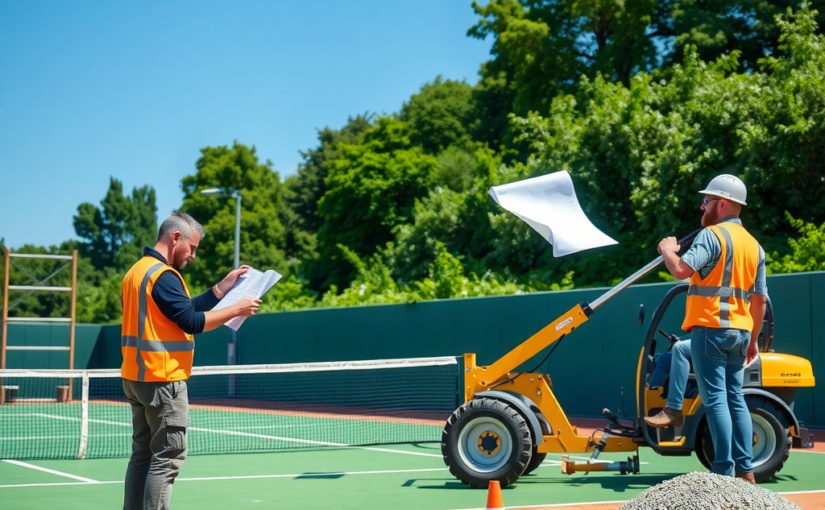
Creating your own tennis court can be an extremely rewarding venture, whether it’s for personal use or a larger community project. With the rise in popularity of tennis, having a well-constructed court at your disposal can enhance your playing experience while adding value to your property. Proper planning and execution are critical to ensuring that your installation meets both aesthetic and functional standards. This guide provides comprehensive insights into every stage of tennis court installation, including maintenance considerations and surface choices.

Before delving into the details, it’s important to understand the variety of surface types available for tennis courts. While traditional clay, grass, and asphalt options exist, many enthusiasts are turning to artificial surfaces. specifically, artificial grass tennis courts. These options not only accommodate year-round playability but also often require less intensive maintenance compared to their natural counterparts.

Planning Your Tennis Court Installation

Before you begin the installation process, thorough planning is essential. Consider the following factors:

Space Requirements: A standard tennis court measures 23.77m in length and 10.97m in width for singles matches. Ensure that the chosen location allows for additional space around the perimeter for player movement and fencing.

Budgeting: Establish a clear budget which encompasses materials, installation costs, and ongoing maintenance. This helps in making informed decisions as you progress through the installation process.

Surface Selection: Decide on the type of surface that is best for your needs. Options like traditional grass courts require more maintenance, whereas installing artificial grass tennis surfaces can result in lower upkeep and consistent playing conditions.

Local Regulations: Check with your local authorities to ensure compliance with any zoning laws or sports facility regulations that may apply to residential or recreational installations.

FAQ: Tennis Court Installation

What is involved in tennis court installation?

Tennis court installation typically involves site preparation, laying the appropriate foundation, installing the surface material (e.g., asphalt, concrete, or synthetic), adding fencing and lighting if desired, and marking the court lines. Professional installers will ensure proper drainage and surface smoothness for optimal playability.

How long does it take to install a tennis court?

The duration of a tennis court installation can vary based on several factors such as weather conditions, site preparation needs, and material choice. Generally, the installation process can take anywhere from 2 to 6 weeks from start to finish.

What factors should I consider when choosing a location for my tennis court?

When choosing a location for your tennis court, consider factors such as sunlight exposure (to minimise shadows), access to water for maintenance purposes, appropriate drainage capabilities to prevent flooding, local zoning laws or regulations regarding residential sports facilities, and proximity to utilities if lighting will be installed.

What is the average cost of installing a tennis court?

The cost of installing a tennis court can vary significantly based on materials used (asphalt vs. concrete vs. clay), size (standard doubles or singles), additional features like fences or lighting systems, and geographic location. On average; homeowners might expect costs ranging from $25-$60 per square foot.

Do I need permits for my tennis court installation?

Yes! Many areas require permits for building structures such as tennis courts. It’s important to check with your local government regarding zoning laws and any necessary permits before starting your project.

Can I install a tennis court myself?

While it’s technically possible to undertake DIY installations with sufficient knowledge and expertise in landscaping and construction materials; hiring professional contractors is generally recommended due to the complexity involved in ensuring proper grading, surfacing materials application & compliance with codes required.

What types of surfaces are available for my new tennis court?

There are several surfaces available including hard courts (asphalt or concrete), clay courts which offer better shock absorption & slower ball speeds; natural grass providing unique … plays characteristics alongside synthetic turf being an alternative option requiring lower maintenance compared conventional .

How do I maintain my new tennis court after installation?

Maintaining your newly installed facility requires regular cleaning debris removal upkeep checks “cracks” sealed , resurface treatment every few years ,et cetera . Consult guidelines provided by manufacturers applied specifications before commencing adjustment plans!

Selecting the Right Surface

Choosing the appropriate surface for your tennis court is one of the most critical decisions you’ll face. Below are some popular options:

Traditional Grass Courts

Traditional grass courts offer a premium playing experience but require extensive maintenance. Regular cutting, watering, and fertilisation are crucial for keeping the surface in good condition. Additionally, these courts may be impacted by weather conditions, causing delays in play.

When considering tennis court installation, it’s crucial to choose the right materials and experts to ensure lasting quality. A professional installation can enhance the playing experience, offering optimal surface conditions and durability. For top-notch service and advice, visit https://www.artificialgrassmaintenance.co.uk, where you’ll find everything you need for your tennis court project.

Clay Courts

Clay courts are known for their excellent playability and slower game pace. However, they also involve a significant commitment to maintenance, including regular resurfacing and cleaning.

Artificial Grass Courts

Artificial grass tennis courts have gained traction due to their durability and low upkeep requirements. Compared to natural grass courts, artificial options resist weather-related disruptions and require only minimal maintenance. Regular cleaning and periodic maintenance will ensure longevity and optimal playing conditions.

Hard Courts

Often made from asphalt or concrete, hard courts are popular for their versatility and robustness. They require less maintenance than grass or clay courts, though occasional resurfacing is essential to maintain optimal performance.

Installation Process

The installation process can be broken down into several key steps:

Site Preparation

Once you’ve selected your location and surface type, it’s time to prepare the site. This involves:

  • Clearing the area of debris and vegetation.
  • Leveling the ground to ensure proper drainage and even surface conditions.
  • Installing appropriate fencing for safety and containment.

Laying the Foundation

The foundation is crucial to the longevity and functionality of the tennis court. Depending on the surface type, foundation preparation may vary:

  • For artificial grass courts: Lay a sturdy base comprised of compacted stone or gravel followed by a layer of shock-absorbing material to enhance playability.
  • For clay or hard courts: Ensure that the proper base is laid down to support the surface material adequately.

Surface Installation

After your foundation is laid and level, the chosen surface material can be installed. This includes rolling out artificial grass or laying clay/hard surfaces while ensuring uniformity and adherence to the required dimensions.

Tennis Court Maintenance

Post-installation, focusing on maintenance is essential for ensuring your tennis court lasts for years to come.

Regular Cleaning Practices

Regardless of the surface type, regular cleaning is crucial. Here are some recommended maintenance practices:

  • For artificial grass tennis courts: Use a turf brush to keep the fibres standing upright. Periodic washing with a pressure washer will also help remove debris.
  • For clay courts: Ensure to remove leaves and dirt regularly, and water it down to maintain the integrity of the surface.

Resurfacing and Repairs

Over time, wear and tear are inevitable. Scheduling regular inspections can help identify issues early. Resurfacing may be necessary every few years, depending on the surface type used.

  • Tennis court resurfacing for hard surfaces can refresh the top layer and restore playability.
  • For grass surfaces, a yearly overseeding may be required to ensure the lawn stays lush and playable.

Investing in a tennis court installation will reward you with years of recreational enjoyment and the privilege of playing tennis in the comfort of your own space. By making thoughtful decisions in planning, surface choice, and maintenance, you’ll create an optimal environment for both casual play and competitive matches.

The Ultimate Guide to Athletic Track Maintenance

Are you a track and field enthusiast who loves nothing more than hitting the running track and breaking a sweat? If so, you know how important it is to keep the track in top condition for optimal performance and safety. That’s where athletic track maintenance comes in! By following some simple maintenance tips and investing in quality athletic track cleaning products, you can ensure that your running track stays in peak condition for years to come. In this guide, we’ll cover everything you need to know about maintaining your athletic track so you can keep running strong.

Athletic FAQ

What does it mean to be athletic?

Being athletic generally refers to having a strong and fit body that is capable of participating in physical activities, sports, or exercises with agility and endurance.

How can I improve my athletic abilities?

Improving your athletic abilities can be achieved through consistent training, proper nutrition, adequate rest, and setting realistic fitness goals. Work closely with a trainer or coach to develop a personalised workout plan.

What are some ways to stay motivated in my athletic pursuits?

Staying motivated in your athletic pursuits can involve setting specific and achievable goals, tracking progress, finding a workout buddy or group for accountability, varying your routine to avoid burnout, and rewarding yourself for reaching milestones.

Are there any recommended diets for athletes?

Athletes typically benefit from consuming a balanced diet rich in lean proteins, complex carbohydrates, healthy fats, vitamins, minerals, and hydration. Working with a sports nutritionist may help tailor a diet plan specific to your individual needs.

How can I prevent injuries while participating in athletics?

To prevent injuries while participating in athletics make sure you warm up properly before exercising or competing; wear appropriate gear like supportive shoes; incorporate strength training exercises into your routine to build muscle mass; listen to your body’s signals regarding pain or fatigue; stretch regularly; and get enough rest between workouts.

Stay on top of your game with our top-quality artificial grass solutions. Perfect for athletic fields, our maintenance services will keep your turf looking pristine all year round. Visit https://www.artificialgrassmaintenance.co.uk for more information on how we can help you.

Importance of Athletic Track Maintenance

Athletic track maintenance is crucial for several reasons. A well-maintained track not only provides a better running experience but also reduces the risk of injury. Over time, dirt, debris, and algae can build up on the track surface, making it slippery and unsafe for athletes. Regular running track cleaning can help prevent these hazards and extend the lifespan of your track.

Athletic Track Cleaning

One of the most important aspects of athletic track maintenance is regular cleaning. Dirt, dust, and other debris can accumulate on the track surface, affecting traction and creating unsafe conditions for athletes. Investing in a high-quality athletic track cleaner is essential for keeping your track in top condition.

When it comes to athletic track cleaning, there are a few key steps to keep in mind. First, always sweep or vacuum the track surface to remove loose debris. Next, use a mild detergent and water solution to clean the track, taking care to scrub away any stubborn stains or marks. Finally, rinse the track thoroughly with clean water to remove any leftover residue.

Running Track Repair

In addition to regular cleaning, it’s important to address any damage or wear and tear on your running track. Over time, the track surface may become cracked, faded, or uneven, leading to potential safety hazards for athletes. Investing in professional running track repair services can help restore your track to its original condition and ensure that it remains safe and durable for years to come.

Tips for Athletic Track Maintenance

To keep your athletic track in top condition, here are a few key tips to follow:

  • Regularly clean the track surface to remove dirt and debris
  • Address any damage or wear and tear promptly with running track repair services
  • Use high-quality athletic track cleaning products to maintain traction and safety
  • Schedule regular inspections and maintenance to catch any issues early
  • Consider investing in track covers or protective mats to prolong the lifespan of your track

By following these tips and investing in quality athletic track maintenance products, you can ensure that your running track remains in peak condition for years to come.

In conclusion, athletic track maintenance is essential for ensuring the safety and performance of athletes on the track. By investing in regular running track cleaning and repair services, you can keep your track in top condition and extend its lifespan. So lace up those running shoes and hit the track with confidence, knowing that your athletic track is in the best possible shape for your next workout.

Choosing the Right Contractor for Your Tennis Court Repairs

Are you looking to revitalise your tennis court and bring it back to its former glory? Look no further! Our team of experts specialise in tennis court repairs, maintenance, and instilment, ensuring that your court is always in pristine condition. With our top-notch services, you can enjoy a smooth and durable playing surface that will enhance your overall tennis experience. Whether you have an artificial grass tennis court or a traditional court, we have the skills and expertise to cater to all your needs. Read on to find out why you should choose us for all your tennis court repair and maintenance requirements.

Tennis courts are an investment that requires regular upkeep to ensure their longevity and functionality. Over time, wear and tear can take a toll on the playing surface, leading to cracks, uneven patches, and general deterioration. This is where our tennis court repair services come in handy. Our team of skilled professionals can assess the condition of your court and recommend the necessary repairs to restore it to its original state. From tennis court resurfacing to tennis court cleaning, we have you covered.

Why Choose Us for Your Tennis Court Repairs

When it comes to choosing a contractor for your tennis court repairs, it is essential to select a company that has a proven track record of delivering high-quality results. With our years of experience in the industry, we have built a reputation for excellence and professionalism. Our team is dedicated to providing exceptional service and attention to detail, ensuring that your tennis court is always in top condition. Whether you have a tennis court artificial grass surface or a traditional hard court, we have the expertise to handle all types of repairs and maintenance.

Our Services

At [Company Name], we offer a comprehensive range of services to meet all your tennis court repair and maintenance needs. Our team uses state-of-the-art equipment and techniques to deliver superior results that exceed your expectations. Some of the services we provide include:

  • Tennis Court Installation: If you are looking to instal a new tennis court or upgrade your existing one, we can help. Our team can handle all aspects of the instilment process, from site preparation to surfacing and finishing touches.

  • Tennis Court Resurfacing: Over time, the playing surface of your tennis court can become worn out and faded. Our resurfacing services can breathe new life into your court, providing a fresh and smooth playing surface that enhances your game.

  • Tennis Grass Court Maintenance: For those with artificial grass tennis courts, our maintenance services can keep your court looking pristine all year round. From regular cleaning to repairs and re-aligning of the artificial grass, we can ensure that your court is always in top condition.

Tennis Court Installation: If you are looking to instal a new tennis court or upgrade your existing one, we can help. Our team can handle all aspects of the instilment process, from site preparation to surfacing and finishing touches.

Tennis Court Resurfacing: Over time, the playing surface of your tennis court can become worn out and faded. Our resurfacing services can breathe new life into your court, providing a fresh and smooth playing surface that enhances your game.

Tennis Grass Court Maintenance: For those with artificial grass tennis courts, our maintenance services can keep your court looking pristine all year round. From regular cleaning to repairs and re-aligning of the artificial grass, we can ensure that your court is always in top condition.

With our commitment to quality and customer satisfaction, you can trust us to deliver outstanding results for all your tennis court repair and maintenance needs. Contact us today to learn more about our services and how we can help you maintain a beautiful and functional tennis court.

For professional tennis court repairs, consider hiring experts from tennis court repairs. With their exceptional maintenance services, your tennis court will remain in top condition, ensuring a smooth and safe playing surface for athletes of all skill levels.

Synthetic Cricket Pitch Maintenance and Installation

Can you breathe life into an old, uncared for cricket wicket?

As any cricketer knows, the standard of the playing surface may have a serious influence on just how the ball reacts. Wickets which are uneven or pitted can cause the cricket ball to behave inconsistently, wickets which are really hard can make the cricket ball bounce higher and very quickly, while cricket wickets which are coated in grass will reduce how much that a spin bowler can turn the ball.
Click here for additional info www.artificialgrassmaintenance.co.uk/cricket-pitch-wicket-maintenance-installation

To successfully standardise the playing surface and provide a wicket which you can use in most conditions, countless leisure centres, educational institutions and cricket clubs use synthetic wickets. Despite the fact synthetic pitches will be more durable than organic cricket wickets, additionally need regular upkeep to ensure that they’re in tip top condition. Luckily, even old, neglected wickets may be brought back to life with a little bit of Tender loving care and the most suitable treatment solution.

Synthetic Cricket Pitches

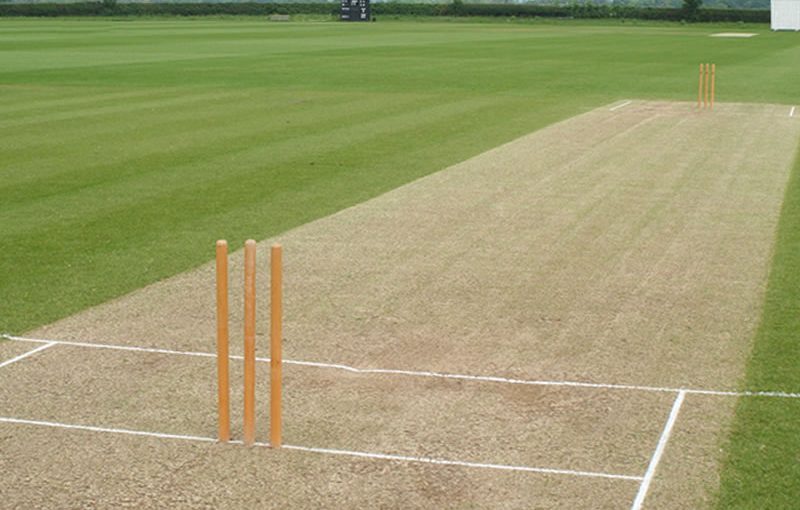
Synthetic wickets are generally installed on either a dynamic (stone) or non-dynamic (macadam or concrete) base. The surface of the cricket wicket itself is made from high-quality short pile carpet that’s either timber edged and nailed or nailed directly into the aggregate. Shock pads will also be fitted under the surface of the wicket to ensure the ball bounces perfectly and that the synthetic wicket responds much the same way to the ball every single time, regardless of the weather.

Maintaining An Artificial Pitch

Like all synthetic surfaces, artificial cricket pitches should be competently maintained if they’re to offer the best possible playing pitch all year long. It is recommended that anyone using an synthetic cricket pitch really should apply a yearly deep clean process, level the batting zone often and use a minimum of one chemical treatment every six months.

Even with repeated repairs and maintenance, cricket pitches may diminish eventually, shock pads can solidify and areas may become irregular. If you see that the bounce of the cricket ball is starting to become uneven or that the surface area is looking tired and worn, it may be the perfect time to give your artificial playing surface a renovation.

Artificial Cricket Pitch Installation and Maintenance

Are you able to breathe life into a used, mistreated cricket wicket?
www.artificialgrassmaintenance.co.uk is certainly one site that is loaded with lots of up to date information on cricket pitch maintenance equipment.

Every cricketer appreciates, the caliber of the wicket may have a significant influence on how the ball behaves. Wickets which are irregular or pitted might cause the cricket ball to bounce inconsistently, wickets that are quite hard will make the cricket ball bounce higher and very quickly, whereas pitches which are covered in grass is going to minimise the amount that a spin bowler is capable of turning the ball.

To be able to standardise the playing surface and give a wicket you can use in most conditions, a great number of leisure centres, training centers and cricket clubs use synthetic cricket wickets. Although artificial wickets are much more hard wearing than organic pitches, they also need regular routine maintenance to ensure they are in pristine condition. Fortunately, even old, mistreated pitches can be brought back to life with a little Tender loving care and the most suitable treatment solution.

Synthetic Cricket Wickets

Artificial wickets are usually installed on either a dynamic (stone) or non-dynamic (macadam or concrete) base. The surface of the wicket itself is made from excellent quality short pile carpet which is either hardwood edged and nailed or nailed directly into the aggregate. Shock pads are also fitted underneath the surface of the pitch to guarantee the cricket ball bounces perfectly and also that the artificial pitch responds exactly the same way to the ball each time, no matter what the weather.

Maintaining A Synthetic Pitch

Like many manufactured surfaces, artificial cricket cricket wickets should be carefully maintained if they’re to offer the very best playing surface all year long. It is recommended that anyone using an artificial cricket pitch should really make use of an annual deep clean schedule, level the batting area continuously and use one or more chemical treatment plan every six months.

Even with regular repairs and maintenance, cricket wickets can easily deteriorate eventually, shock pads can harden and surface areas can become uneven. When you notice that the bounce of the ball has started to become uneven or that the wicket is looking tired and worn, it could be the perfect time to give your synthetic pitch a face lift.