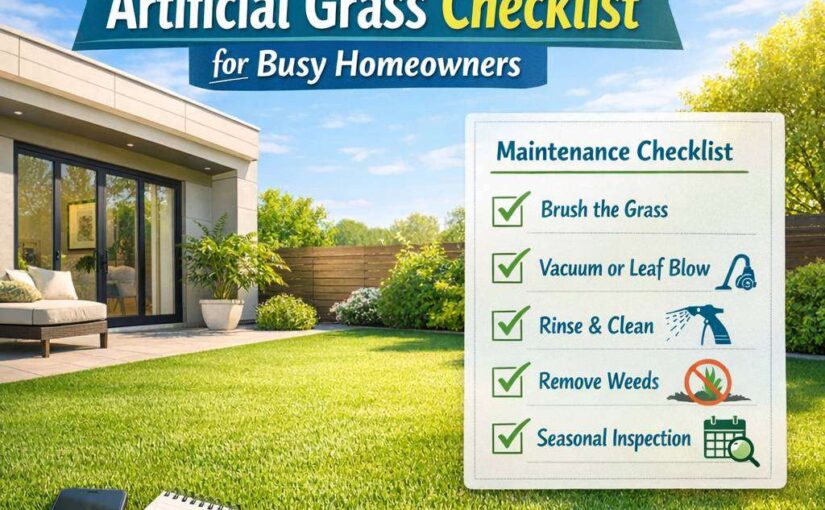
Artificial grass has come a long way from its early, low-patina look. For busy homeowners, a well-maintained artificial lawn is a labour-efficient, evergreen feature that stays tidy with minimal effort. This guide provides an expert, educational overview of practical maintenance steps, tailored to those who want reliable results without a time sink. Whether you’re overseeing a small domestic patch or a larger artificial pitch, the following checklist covers routine care, seasonal tasks, and common issues that affect longevity and appearance. By following these best practices for maintaining artificial grass, you can keep your outdoor space looking pristine all year round.
Everyday upkeep and quick wins
Regular brushing is fundamental to artificial grass care and maintenance. Brushing helps to lift flattened fibres, restore pile height, and keep the surface looking natural. Use a stiff broom or a powered brush and brush counter‑direction to the pile to maintain evenness. For high-traffic areas, a more frequent cadence may be necessary, but in most residential settings, a weekly pass during the growing season plus a monthly check is sufficient.
Keep debris to a minimum. After wind or storms, remove fallen leaves, twigs, and litter with a leaf blower or a light rake. This reduces the likelihood of thatch compression and helps with drainage. For pet owners, promptly remove solid waste and rinse areas with water; if odours persist, a mild solution of water and a gentle soap can be used followed by a thorough rinse.
Smart landscaping considerations also aid maintenance of artificial grass. Trim overhanging branches to reduce pollen, seeds, and organic deposition. Apply a simple weed barrier around the perimeter where soil edges meet the turf to maintain a clean boundary and prevent weed encroachment.
Cleaning for a pristine appearance
Periodically deep cleaning keeps artificial grass looking fresh. For routine cleaning, hose down the surface to remove dust and pollen, and use a mild detergent when necessary. Avoid harsh chemicals or high‑concentration cleaners that could degrade the backing or fibres over time. After washing, rinse well to remove any soap residues, which can attract more dirt if left on the surface.
In the UK context, winter months can bring damp conditions, so ensure proper drainage and avoid soaking the turf in standing water. If drainage is compromised, consult a professional who can assess the underlying substrate and adjust the grade or install appropriate drainage solutions.
If you notice persistent odours from pets or outdoor spaces, a diluted vinegar solution can help neutralise smells without harming the fibres. Rinse thoroughly after treatment and allow the surface to dry before use.
Seasonal maintenance and inspections
Spring and autumn create ideal windows for a more thorough inspection of your artificial grass. Check for seam integrity and edge rolls, especially along borders and near fixed installations such as fencing or play equipment. Look for exposed seams, dirt accumulation, or areas where the pile has become uneven. Address minor repairs early to prevent more extensive work later.
During autumn, leaves accumulate quickly. Establish a routine of raking leaves off the turf and using a stiff brush to keep pile upright. This helps with maintaining artificial grass density and reduces the risk of mould or mildew on damp days.
Winter requires attention to drainage and frozen conditions. Do not expose the turf to sharp tools or solvents. If ice forms, avoid chiselling or aggressive scraping, which can damage the fibres or backing. Instead, take a cautious approach with a plastic scraper and allow natural thawing whenever possible.
Maintaining infrastructure around the turf
Perimeter edges and the underlying sub-base are as vital as the surface itself for the longevity of your artificial grass. Ensure that the sub-base remains stable and free from settlement. If you notice edge curling or soft spots, contact a professional to re‑level or re‑stabilise the base.
Weed control around the borders is essential to prevent roots from infiltrating the turf edge. Use a non‑glyphosate weed killer if you prefer to avoid chemical exposure, or physically remove invasive growth where feasible. A well‑installed perimeter barrier reduces weed ingress and helps maintain a neat appearance.
Maintenance artificial grass makes outdoor spaces pristine with minimal effort. For routines, regular brushing, rinsing, and debris removal keep fibers upright and colors vibrant. Learn practical tips and product options at the following resource: https://www.lasvegasartificiallawns.com/products/synthetic-grass-cleaning/ then apply proven strategies to extend longevity.
Equipment and resources for artificial grass maintenance UK households rely on
Stock a simple toolkit for maintenance of artificial grass: a stiff broom or brush, a leaf blower, a gentle detergent, a bucket for solutions, and a hose with a spray nozzle. For larger or more complex installations, such as artificial pitch maintenance, you may complement routine tasks with a dedicated grooming machine designed for synthetic turf.
When selecting cleaning products in the UK market, prioritise products labelled suitable for artificial grass and backing materials. Avoid high‑alkaline or solvent‑based cleaners that can degrade fibres or backing over time. Always test any solution on an inconspicuous area before broad application.
How to plate new features or extensions without disruption
If you add new features—such as a sunken play area, planters, or a shaded walkway—plan their impact on maintenance. Ensure that installations do not obstruct drainage paths or create excessive debris traps. For larger installations or artificial pitch maintenance, consider a professional survey to confirm that the sub-base and drainage are appropriate for the updated configuration.
Maintaining a flawless lawn year-round relies on proper maintenance artificial grass techniques. Regular brushing keeps fibers standing upright, while periodic cleaning removes debris and allergens, preserving appearance and safety. Use mild soap and water for spills, avoid harsh chemicals, and rinse thoroughly after washing to prevent residue. For advanced guidance, consult reputable sources and implement a routine that suits your climate. For more resources, visit https://goatturf.com/ in the second half of your planning.
Maintaining an impeccable outdoor space is easy with proper maintenance artificial grass. Regular brushing, removing debris, and seasonal cleaning keep fibers upright and looking fresh. For detailed guidance and professional support, explore trusted resources. In the second half, find practical tips and services here: https://www.artificialgrassmaintenance.co.uk
Addresses common issues with strategic remedies
- Flattened pile and matting: Brush against the grain of the pile to restore height, and consider infrequent, light vacuuming if you have access to suitable equipment.
- Poor drainage: Inspect the drainage layer and surface grade. Adjust slopes if necessary and clear any blocked outlets.
- Edge lifting: Re-securse the edging with appropriate adhesive or fixings. If the problem persists, consult a professional for seam repair.
- Persistent odours: Clean with mild detergents, rinse thoroughly, and consider pet deodorisers designed for synthetic turf.
Maintenance of artificial grass: a practical mindset
The key to maintenance artificial grass is consistency and understanding your space. Busy homeowners benefit from scheduling short, focused sessions rather than long, infrequent cleans. The goal is to preserve appearance, ensure safe usage, and extend the lifespan of the installation. By integrating these practices into your routine, you’ll maintain artificial grass effectively without sacrificing precious free time.
If you’re navigating the specifics of artificial grass maintenance UK guidelines, seek local expertise when needed. A qualified professional can provide tailored advice for your soil type, climate, and installation method, and help you plan a long‑term maintenance schedule that aligns with your lifestyle. Whether you’re maintaining a domestic lawn, an artificial pitch, or a mixed‑use space, the fundamental principles remain the same: cleanliness, proper brushing, and proactive inspections to safeguard the investment.