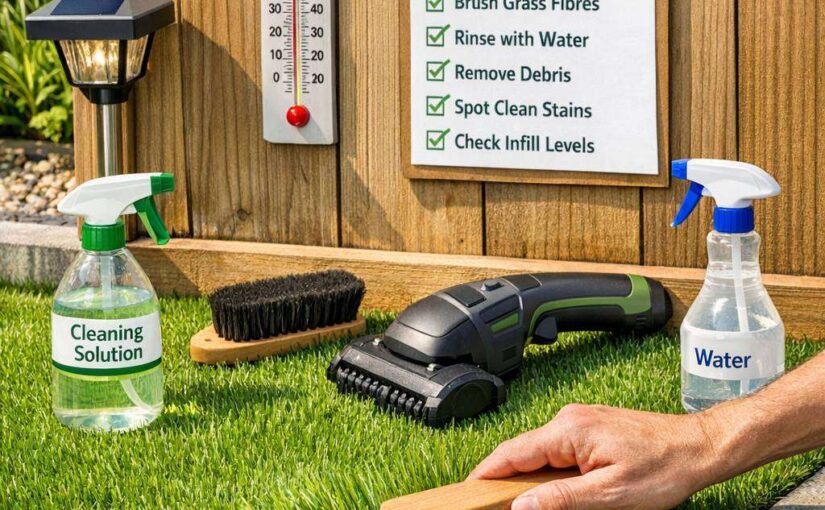
Artificial grass maintenance is essential for longevity and pristine appearance. Regular brushing, debris removal, and periodic washing prevent matting and odors. Use safe cleaning methods and monitor infill levels for optimal performance. For expert tips and services, visit the resource below in the second half: https://www.artificialgrassmaintenance.co.uk
Maintaining a pristine lawn with artificial grass maintenance tips can extend its lifespan and keep it looking fresh. Regular brushing, debris removal, and occasional rinsing reduce dust and fibers flattening. For expert guidance and more techniques, visit artificial grass maintenance to ensure optimal performance. Consistent care prevents matting and preserves color, saving time and effort in the long run.
Artificial grass has evolved from a novelty to a practical, low-maintenance landscaping solution. For property owners, sports clubs, schools, and commercial premises alike, the key to longevity and appearance lies in disciplined maintenance. This guide, written from an expert perspective, outlines the essential steps for maintaining artificial grass, preventing wear, and ensuring a pristine, usable surface year after year.
In today’s market, there are many providers offering artificial grass maintenance near me, but the best results come from a structured routine tailored to your product and usage. Whether you are overseeing a residential lawn, an academy sports pitch, or a public amenity, adopting a proactive approach to care will pay dividends in resilience, safety, and aesthetics.
Why Proper Maintenance MattersMaintaining artificial grass is not merely about keeping it looking green; it is about preserving the integrity of the system. Proper maintenance extends the life of the synthetic fibres, backing, and infill, reduces the risk of drainage issues, and helps mitigate odours and bacteria buildup. Regular attention also makes routine tasks, such as seasonal deep cleans and infill checks, far easier and more cost-effective.
Daily and Weekly Care
- Regular brushing: Use a stiff bristle brush or a mechanical brush to lift fibres and prevent matting, especially in high-traffic areas. Brush against the grain in a consistent direction to maintain an upright pile.
- Debris removal: Clear leaves, twigs, and litter with a lightweight rake or leaf blower. For larger debris, use non-metallic tools to avoid damaging the fibres.
- Pet waste management: Promptly remove solid waste and hose down the area. For odour control, an enzyme-based cleaner designed for artificial grass care and maintenance can be effective. Do not use untreated bleach or strong chemicals that could degrade the yarn.
- Inspection after use: Check seams, join lines, and edges for loosening or uplift. Address any loose edges promptly to prevent larger repair work.
Seasonal and Preventative Measures
- Infill management: If your surface uses silica or coloured infill, monitor levels to maintain the correct firmness and drainage. Replenish as necessary according to the manufacturer’s guidelines.
- Weed and moss control: While artificial grass resists weed growth, spores can take root at edges or around the perimeter. Apply a compatible weed suppressant and keep edging clear of organic debris.
- Drainage checks: After heavy rain, inspect the surface for pooling. Ensure drainage outlets are clear and that the base layer remains well-compacted to prevent waterlogging.
Cleaning and Odour Control
- Deep cleaning: Periodically perform a deeper clean to rejuvenate the turf. This often involves rinsing with clean water and a mild, turf-safe detergent. Avoid harsh solvents or solvents that can degrade the backing.
- Un foul odours: For pet-related odours, a diluted enzymatic cleaner or a specialised artificial grass maintenance solution can help neutralise smells without harming the fibres.
- Stain removal: Most common stains (food, beverages, dirt) can be removed with a soft brush and a gentle cleaning solution. Always test a small, inconspicuous area first.
Grass Care and Fibre Longevity
- Avoid heavy, concentrated traffic on the same line to prevent visible wear. For multi-use artificial grass installations, schedule lower-traffic periods where possible.
- Protective measures: In areas with prolonged shade, consider UV-protective treatments or seasonal adjustments to maintain fibre colour and resilience. For outdoor installations in the UK, be mindful of seasonal weather patterns and plan maintenance accordingly.
- Surface play practices: For artificial pitch maintenance, specific guidelines exist for line marking, ball roll, and goal-mouth wear. Use equipment appropriate for synthetic turf to avoid damage.
Tools and Products for Effective Maintenance
- Brushing tools: Manual or motorised brushes designed for artificial grass keep fibres upright and evenly distributed.
- Cleaning solutions: Choose pH-balanced, turf-approved cleaners. Avoid acetone, bleach, or strong solvents that can degrade materials.
- Water supply: A garden hose with adjustable nozzle is often sufficient for rinsing; avoid high-pressure washers that may lift or damage seams.
- Protective gear: Gloves and, if handling chemicals, eye protection are prudent.
Professional vs. DIY MaintenanceThere is a spectrum of maintenance needs. Routine tasks can be performed by property managers or facility staff, improving the overall condition and extending life. For complex issues—such as persistent drainage problems, significant fibre wear, or edge uplift—engaging artificial grass maintenance uk specialists or a trusted maintenance contractor can save long-term costs. When seeking artificial grass maintenance near me, request a site assessment, an ongoing maintenance plan, and a transparent price structure.
Maintaining Different Environments
- Domestic lawns: Prioritise frequent brushing and debris removal, with periodic deep cleans and infill checks.
- Sports surfaces: For football pitches or multi-use areas, adhere to the sport’s guidelines on line markings, boundary safety, and regular inspection of seams and infill distribution.
- Public and educational spaces: Emphasise safety by scheduling inspections after heavy use or weather events and implementing a routine that minimises trip hazards or uneven surfaces.
Record-Keeping and SchedulingMaintain a maintenance log detailing the last service dates, products used, and any repairs conducted. This becomes particularly valuable when coordinating with contractors or planning capital improvements. A well-documented maintenance plan informs future decisions about artificial grass care and maintenance, and supports the asset’s value over time.
In summary, maintaining artificial grass is an ongoing, methodical process that blends routine upkeep with thoughtful, seasonal care. By implementing a robust cleaning and upkeep routine, you protect investment, ensure safety and performance, and preserve the enduring beauty of your artificial turf. For ongoing guidance, consult a reputable provider of artificial grass maintenance uk services and consider establishing a tailored maintenance schedule that aligns with your specific installation and usage patterns.